Introduction
The Tuff Stuff 200-Gallon Stock Tank is a workhorse on farms and homesteads, but like any galvanized steel or poly reservoir, it faces a persistent enemy: oxidation. Rust and corrosion can compromise water quality, shorten tank lifespan, and create costly repairs if left unchecked. This article delivers actionable strategies to prevent and manage rust and corrosion, ensuring your investment holds up for years to come. From material selection to routine maintenance, we cover the essentials every livestock owner needs.
What Makes the Tuff Stuff 200-Gallon Stock Tank Susceptible to Rust and Corrosion?
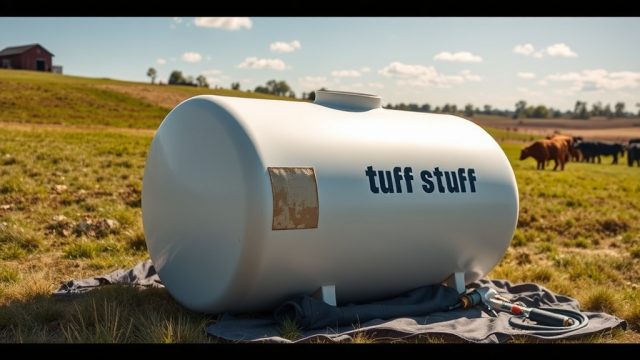
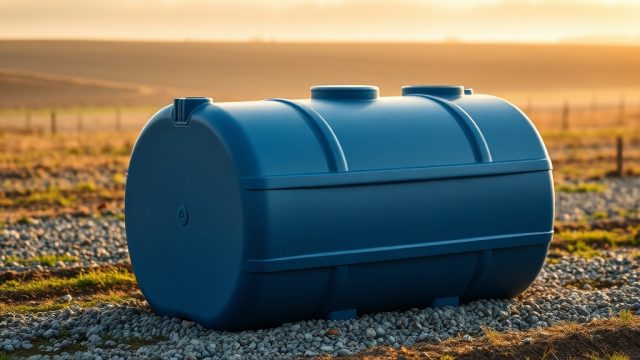
Understanding why corrosion happens is the first step to prevention. The Tuff Stuff 200-Gallon Stock Tank is typically available in two material options: galvanized steel and rotomolded polyethylene. Galvanized steel tanks are coated with a layer of zinc to resist rust, but that coating can be compromised by scratches, acidic water, or prolonged exposure to minerals. Poly tanks, while inherently rust-proof, can suffer from UV degradation or chemical leaching if not properly cared for, leading to surface pitting or algal buildup that mimics corrosion issues.
Physical damage, such as dents from livestock or equipment, can expose bare metal in steel tanks. Water chemistry plays a major role—low pH (below 6.5) accelerates zinc erosion, while high mineral content (hard water) can create scale that traps moisture. Improper drainage, especially during freezing months, can trap water in crevices and accelerate oxidation. Regular inspection and understanding your water source are critical to early detection.
For those weighing material choices, see our Tuff Stuff 200-Gallon Stock Tank Material Guide: Rotomolded vs. Injection Molded to compare durability and corrosion resistance between types.
How Can You Identify Early Signs of Rust on a Tuff Stuff 200-Gallon Stock Tank?
Early detection can save you from a full tank replacement. Look for orange or brown discoloration at the water line or around rivets and welds—these are classic signs of galvanized coating failure. Also check the tank bottom: if you see flaking or powdery residue, that indicates advanced corrosion. On poly tanks, watch for white or chalky streaks (sun damage), but note that these are cosmetic and not structural—real corrosion on poly tanks is rare unless cracks appear.
Use a simple flashlight inspection during cleaning. Tilting the tank slightly allows you to see the interior bottom where sediment collects. A small patch of rust that can be sanded and painted may be fixable, but large areas signal replacement. For steel tanks, a “rust ring” at the waterline often means the protective coating is gone. If you notice pinhole leaks, corrosion has already penetrated the metal—act fast to prevent livestock dehydration.
Regular cleaning and drainage help catch issues early; refer to our Tuff Stuff 200-Gallon Stock Tank Siphon Drain Maintenance: Tips for Smooth Operation for tips on keeping drains clear to avoid standing water.
What Are the Best Rust Prevention Methods for Galvanized Steel Tanks?
Prevention starts with proper installation and routine care. For the Tuff Stuff 200-Gallon Stock Tank in galvanized steel, follow these proven methods:
- Apply a food-grade sealant: Use a non-toxic, water-based acrylic sealer designed for livestock tanks. Apply two thin coats to the interior after cleaning, let cure for 24 hours, then rinse thoroughly. This creates an additional barrier over the zinc coating.
- Maintain proper pH: Keep water pH between 6.5 and 8.0. Test monthly with test strips (available at farm supply stores). Add agricultural lime or baking soda if water is too acidic.
- Use a sacrificial anode: Install a zinc or magnesium anode rod in the tank (similar to water heaters). This attracts corrosion away from the tank metal. Replace annually or when it’s 50% consumed.
- Elevate and drain: Place tank on a gravel base or concrete pad to avoid ground moisture contact. Drain entirely during winter if not in use—see our Tuff Stuff 200-Gallon Stock Tank Installation: Gravel Base vs. Concrete Pad for foundation advice.
- Rinse weekly: A quick flush with fresh water removes mineral deposits that accelerate corrosion. Use a soft brush to avoid scratching the coating.
For poly tanks, prevention is simpler but still critical: store out of direct sun when possible, use a UV-stabilized cover, and avoid abrasive cleaners that can cloud the surface.
How to Repair Rust and Corrosion on a Tuff Stuff 200-Gallon Stock Tank: A Step-by-Step Guide
If rust appears, prompt repair can extend tank life by months or years. Do not ignore small spots—they grow quickly under livestock use. Here’s a practical repair protocol for galvanized steel tanks:
- Drain and dry completely: Remove all water and sediment. Let the tank air-dry for 24 hours in a well-ventilated area. Use a fan to speed up drying inside.
- Remove loose rust: Use a wire brush or coarse sandpaper (80-grit) to scrub away flaking rust. Wear a dust mask—zinc particles can be harmful if inhaled.
- Clean the area: Wipe with a damp cloth, then apply a mixture of white vinegar and water (1:1) to neutralize any remaining rust. Let sit 10 minutes, then rinse and dry.
- Apply a rust converter: Use a phosphoric acid-based rust converter (available at hardware stores). Brush onto affected area; it will turn the rust into a black, paintable primer. Let cure for 8–12 hours.
- Seal with a marine-grade epoxy: For small holes or pitting, apply a two-part marine epoxy putty designed for water tanks. Smooth it over the repair area and let cure per instructions. For surface rust, use a food-grade alkyd enamel paint (compatible with galvanized steel).
- Reinstall and test: Fill the tank with water and check for leaks after 24 hours. If no seepage appears, return to service.
For poly tanks with cracks or sun damage, repair is not recommended—replace the tank. Corrosion on poly is generally not structural, but cracks can allow bacteria growth. See our Tuff Stuff 200-Gallon Stock Tank Bacteria Treatment: Maintaining Biological Balance for post-repair water quality management.
Comparative Severity of Corrosion Issues in Tuff Stuff 200-Gallon Stock Tanks
| Severity Level | Appearance | Common Cause | Action Needed | Cost Estimate (USD) |
|---|---|---|---|---|
| Mild (Surface) | Orange/red patches on surface, visible but no flaking | Acidic water (pH <6.5) or scratches | Clean, apply rust converter, sealant | $10–$20 |
| Moderate (Pitting) | Small pits or divots in metal, some flaking residue | Extended moisture exposure, hard water scale | Sanding, epoxy filler, marine-grade paint | $30–$60 |
| Severe (Leaking) | Pinhole leaks, visible holes, standing water on ground | Corrosion through zinc layer, poor drainage | Replace tank or patch hole with putty (temporary) | $120–$250 (tank cost ~$300 new) |
| Structural Failure | Large holes, wall collapse, significant water loss | Years of neglect, galvanizing failure | Full tank replacement required | $300–$400 |
Note: Costs are approximate for DIY repairs. Professional welding repairs on steel tanks may cost $80–$150 per hour, often not cost-effective vs. replacement. Poly tanks with structural damage (cracks) must be replaced.
What Owners Say About Rust and Corrosion on the Tuff Stuff 200-Gallon Stock Tank
Farmers and ranchers who own this tank report mixed experiences based on material choice and maintenance habits. Sarah, a sheep farmer in Oregon, shares: “I’ve had my galvanized Tuff Stuff tank for three seasons. I treat the water with a pH balancer and use a sacrificial anode—zero rust so far. My neighbor didn’t, and his tank started leaking within 18 months. The difference is in the routine.”
John, a cattle rancher in Texas, notes: “I switched to the poly version after my first steel tank rusted through at the bottom. The poly is lighter and never rusts, but algae grows faster in sunlight. I use a Tuff Stuff 200-Gallon Stock Tank Algae Control: Natural Methods That Work to keep it clean. For corrosion, poly is the winner.”
Maria from Wisconsin adds: “My tank sits on concrete slab, but I noticed rust around the drain valve after winter. I drained it, applied rust converter, and painted with epoxy. It’s been solid for two years. Regular inspection is key—I check monthly during summer and weekly in spring thaw.”
Common advice from owners: start with a clean installation, test water chemistry, and never let water sit stagnant for more than two weeks without cleaning. For winter use, consider a Tuff Stuff 200-Gallon Stock Tank Solar-Powered Heater Installation Guide to prevent ice damage that can accelerate corrosion.
Frequently Asked Questions
- Q: Can rust in my Tuff Stuff 200-Gallon Stock Tank harm my livestock?
A: Yes. Rust particles can cause gastrointestinal irritation in animals if ingested. Small amounts may pass, but chronic exposure to rust flakes can lead to iron toxicity in sensitive livestock like sheep and goats. Always repair or replace rusted tanks promptly to protect animal health. - Q: How often should I inspect for corrosion on a galvanized steel tank?
A: Inspect at least monthly during active use, and more frequently in winter or high-humidity environments. Check the waterline, bottom, and around fittings. After any heavy animal impact or freeze-thaw cycle, do an immediate visual check. - Q: Is it safe to use household vinegar to remove rust from my stock tank?
A: Yes, white vinegar (5% acetic acid) is safe for livestock tanks if rinsed thoroughly. It neutralizes rust temporarily, but do not leave it in contact for more than 15 minutes to avoid damaging the zinc coating. Always rinse with fresh water after application. - Q: Can I paint the inside of the tank to prevent rust?
A: Yes, but only with food-grade, epoxy-based paint specifically labeled for potable water tanks. Do not use standard spray paint or automotive paints, as they leach toxins. Apply in thin coats, cure fully, and test water pH before reintroducing livestock. - Q: Does adding chlorine bleach help reduce corrosion?
A: No. Bleach is highly corrosive to galvanized steel and can accelerate rust. It also harms beneficial bacteria in water. Use non-chlorine treatments like hydrogen peroxide or UV filters for algae control instead. For safe cleaning, see our Tuff Stuff 200-Gallon Stock Tank Bacteria Treatment: Maintaining Biological Balance. - Q: When should I replace my tank instead of repairing it?
A: Replace if corrosion has caused multiple pinhole leaks, if the tank bottom is soft or buckling, or if repairs cost more than half the price of a new tank. For poly tanks, replace if cracks extend more than 2 inches or if the UV-damaged surface is deeply cracked.