The Tuff Stuff 200-Gallon Stock Tank: Effective Algae Prevention Strategies
For livestock producers and horse owners, algae in a stock tank is a persistent and aggravating problem. The Tuff Stuff 200-gallon stock tank, constructed from heavy-duty, UV-resistant polyethylene, offers an excellent foundation for clean water, but no tank is immune to algae growth in warm weather. This article details proven, actionable strategies to keep your Tuff Stuff 200-gallon stock tank algae-free, ensuring your animals have access to fresh, palatable water year-round.
Why Does Algae Thrive in My Tuff Stuff 200-Gallon Stock Tank?
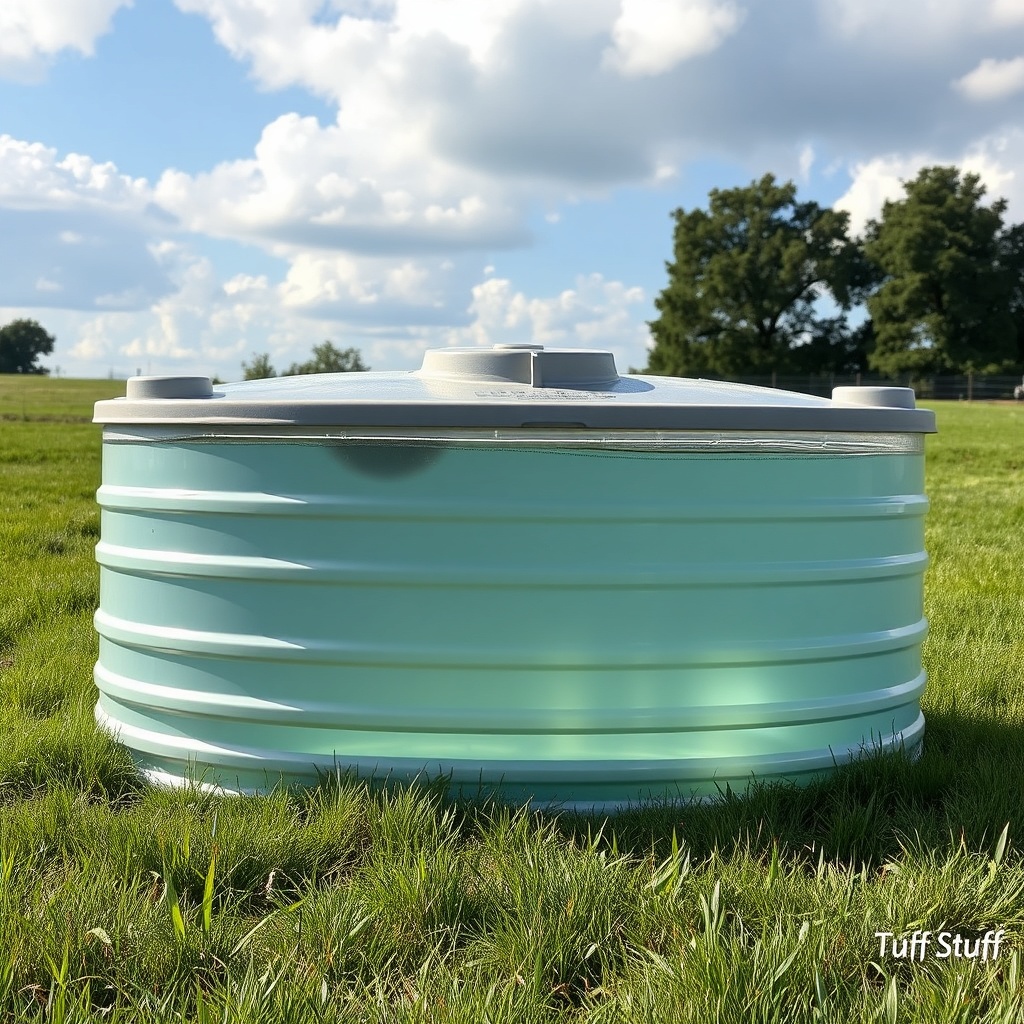
Algae are simple, photosynthetic organisms that require three key elements to flourish: sunlight, nutrients, and warm water. The Tuff Stuff 200-gallon tank, usually placed in direct sunlight to ensure ice melts quickly in winter, creates an ideal environment. Sunlight penetrates the water, fueling photosynthesis. Nutrients, such as nitrates and phosphates, enter the tank via animal saliva, feed residue, and windblown debris. During summer months, water temperatures can climb above 75°F, accelerating algae reproduction dramatically. Even with the tank’s smooth, non-porous interior, a green film can establish within days if conditions are right.
How Can I Physically Block Sunlight to Prevent Algae Growth?
The most effective long-term solution for algae control is blocking sunlight. Without light, photosynthetic algae cannot survive. For the Tuff Stuff 200-gallon tank, several practical shading methods work well. A floating shade cover, made from heavy-duty landscape fabric or a custom-cut polyethylene tarp, can cover 70–80% of the water surface. Anchor the cover at the tank’s rim using bungee cords or clips. Alternatively, erect a permanent shade structure—such as a corrugated metal roof or shade cloth canopy—positioned to cast full shadow over the tank during peak sun hours (10 a.m. to 4 p.m.). A third option is to use a tank cover with a small drinking hole, though this may restrict access for multiple animals simultaneously.
For a closer look at managing your tank in colder conditions, read our guide on How to Winterize Your Tuff Stuff 200-Gallon Stock Tank. Proper winterization includes steps that also complement summer algae prevention, such as maintaining water movement.
Are Chemical Additives Safe and Effective for Algae Control?
Yes, several chemical additives are both safe for livestock and highly effective at preventing algae, provided they are used according to label directions. Copper sulfate is a traditional algicide; however, extreme care is required because overdose can be toxic to animals, especially sheep and small ruminants. A safer, modern alternative is a chlorine-based product (sodium dichloroisocyanurate or calcium hypochlorite) formulated for livestock tanks. These products release a controlled amount of free chlorine, which kills algae spores and inhibits growth. Recommended dosages for a 200-gallon tank are typically 1–2 ounces of product per week during summer, but always confirm with your specific brand.
Common Commercial Algae Control Products for 200-Gallon Tanks
| Product Type | Active Ingredient | Typical Dosage (per 200 gal) | Livestock Safety | Effectiveness |
|---|---|---|---|---|
| Copper Sulfate Crystals | Copper sulfate pentahydrate | 1 tsp per 200 gal (caution!) | Moderate – toxic to sheep, goats in excess | High – rapid kill |
| Chlorine Tablets | Calcium hypochlorite | 1–2 tablets (approx. 1 oz) weekly | High – safe when label followed | High – long residual |
| Enzyme-Based Clarifier | Bacterial/enzyme blend | 3–5 oz per 200 gal initial dose | Very high – natural | Moderate – works slowly |
| Barley Straw Extract | Phenolic compounds | 1 cup per 200 gal weekly | Very high – organic | Low to Moderate – requires consistent use |
When using any chemical additive, test water pH and chlorine levels weekly with a simple pool test kit. Keep levels below 0.5–1.0 ppm total chlorine for drinking water. Never add chemicals when temperatures exceed 95°F, as effectiveness drops and animal consumption may decrease.
Does Water Movement Help Keep the Tank Clean?
Absolutely. Stagnant water is a breeding ground for algae, whereas moving water disrupts the formation of surface films and reduces nutrient settling. For the Tuff Stuff 200-gallon tank, two effective options exist: a submersible pump and a solar-powered aeration system. A small 12V submersible pump (200–300 GPH) can create a gentle current, circulating water and breaking up algae colonies. Solar-powered aeration units, which bubble air from the bottom, are excellent for off-grid setups and also help oxygenate the water, improving overall quality. Running a pump for 6–8 hours daily is sufficient, and many units come with timers. Moving water also discourages mosquito breeding, adding another benefit.
If you are managing your tank through cold months, consistent water movement also prevents ice formation; refer to How to Winterize Your Tuff Stuff 200-Gallon Stock Tank for best practices on using pumps in winter.
How Often Should I Drain and Scrub the Tank?
Even with the best prevention methods, a thorough cleaning every 2–4 weeks during peak algae season is essential. The Tuff Stuff 200-gallon tank’s smooth, non-porous interior makes scrubbing relatively easy. Begin by draining the tank completely. Use a stiff-bristled brush (avoid steel wool, as it can scratch plastic) and a 1:10 bleach-to-water solution to scrub all interior surfaces, paying special attention to corners and the bottom seam. Rinse thoroughly with fresh water. For stubborn algae residue, a pressure washer on a low setting can speed the process. After cleaning, refill and add any preventative products immediately. In cooler months (below 60°F), monthly cleaning is usually sufficient.
What Natural Methods Can I Try to Control Algae?
Several natural alternatives appeal to owners who prefer to avoid chemicals. Adding barley straw or barley straw extract to the water is a well-known method. As the straw decomposes, it releases compounds that inhibit algae growth without harming livestock. Use about 1–2 ounces of barley straw per 100 gallons of water, placed in a mesh bag and submerged. Replace it every 4–6 weeks. Another option is a UV sterilizer; these devices pass water over a UV-C light, killing algae cells and bacteria. While effective, UV units require regular maintenance and are costlier upfront. A third natural tactic is introducing beneficial bacteria—commercial pond or water tank probiotics—that compete with algae for nutrients. These come in liquid or dry form and are added weekly.
What Owners Say
Long-term users of the Tuff Stuff 200-gallon tank report that the combination of shade, chlorine tablets, and weekly pump circulation yields the best results. One Texas horse farm owner noted, “We tried barley straw for two summers—it helped a little but not enough. We switched to a cheap submersible pump running four hours a day and one chlorine tablet per week. The water stays crystal clear for weeks. We only scrub once a month now.” Another owner in Florida emphasized the importance of a shade cover: “The tank sits under full sun. I made a simple metal frame with 80% shade cloth. It dropped water temperature by 10 degrees and virtually eliminated algae. The horses drink more, too.” These practical experiences underscore that consistency, rather than any single product, is key to success.
Frequently Asked Questions
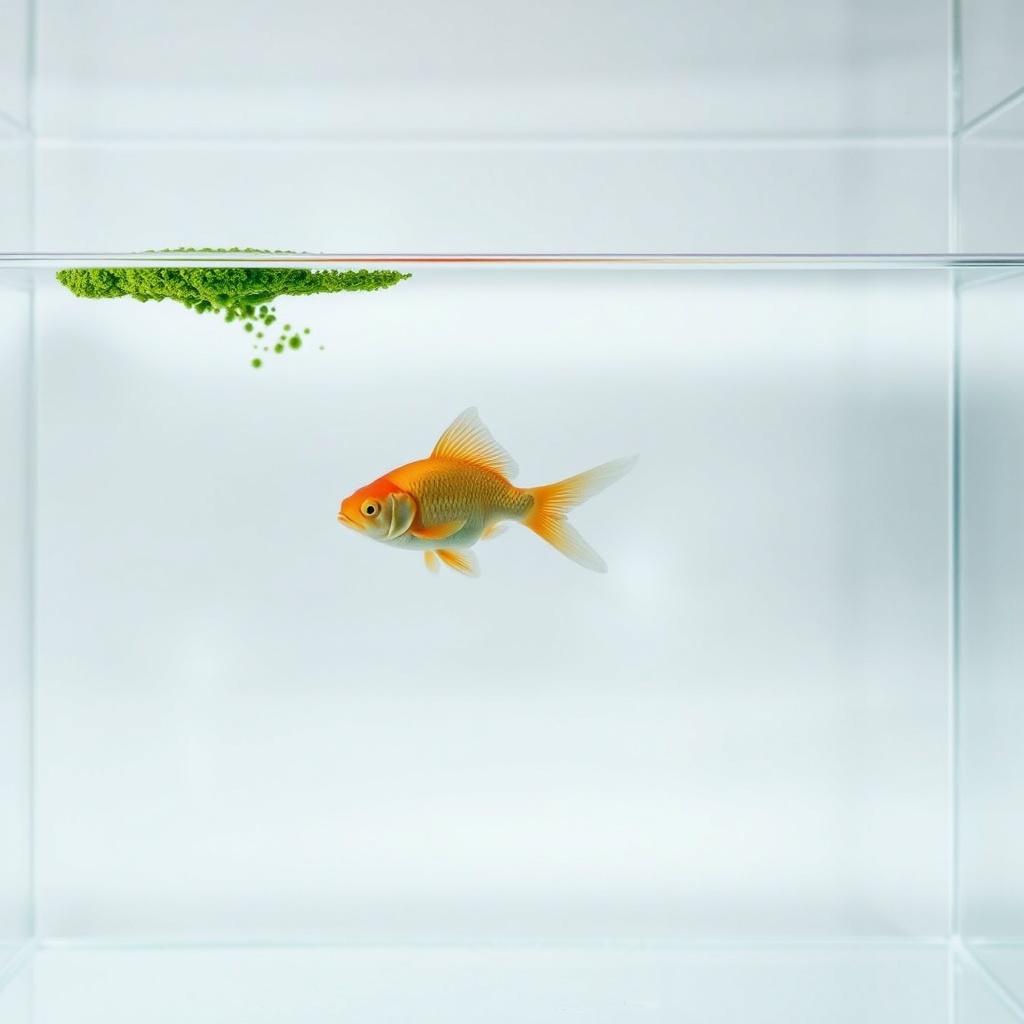
1. Is it safe to put goldfish in my Tuff Stuff 200-gallon stock tank to eat algae?
Yes, adding a few goldfish is a popular natural method. A school of 4–6 goldfish can help control algae and mosquito larvae. However, ensure the water does not freeze solid in winter, as goldfish need aeration and depths of at least 2–3 feet to survive cold. The Tuff Stuff 200-gallon tank provides sufficient depth. Remove fish before any chemical treatments like chlorine or copper sulfate.
2. How long can I go between cleanings if I use chlorine tablets?
With consistent chlorine dosing (1–2 tablets weekly) and a shade cover, many owners report needing only a thorough cleaning every 3–4 weeks during summer. Always check water clarity and odor—if it smells musty or cloudy, clean it immediately regardless of schedule.
3. Will vinegar kill algae in the tank?
White vinegar can kill algae on surfaces when applied undiluted and scrubbed, but it is not effective as a preventive additive in the water. Vinegar lowers pH significantly, which may discourage algae initially but can also irritate animals’ mouths and eyes. It is not recommended for routine use in a 200-gallon livestock tank.
4. Can I use pool shock in my stock tank?
Yes, but with extreme caution. Pool shock (calcium hypochlorite) is a concentrated chlorine source. For a 200-gallon tank, use only 1/4 teaspoon of pool shock granules per week, and ensure it dissolves completely before animals drink. Overdosing can cause chlorine toxicity. Many prefer pre-measured tablet products designed for livestock.
5. My tank still gets green after scrubbing—what am I doing wrong?
If algae returns within days, the issue is likely sunlight exposure or nutrient overload. Reassess your shading—a cover blocking less than 70% of sunlight may be insufficient. Also, check if feed or hay is falling into the tank; consider moving the tank farther from feeders. Ensure no dead leaves or manure accumulate nearby.
6. What is the best time of day to add algae treatments?
Add treatments in the early morning or late afternoon, when water temperature is cooler and animals are less active. Avoid mid-day heat, as chlorine dissipates faster in warm water. Always follow product label instructions for timing.
For more detailed tips on maintaining your tank through freeze-thaw cycles, our article How to Winterize Your Tuff Stuff 200-Gallon Stock Tank covers preventative measures that also support summer algae prevention.