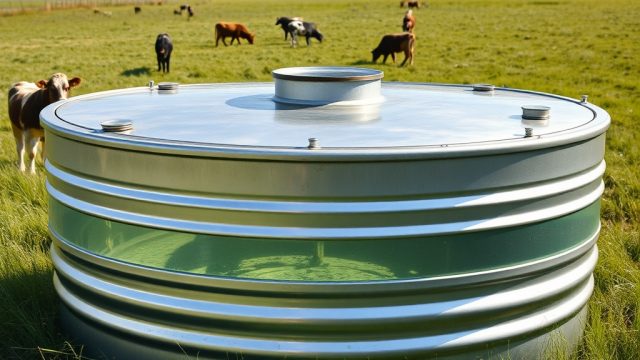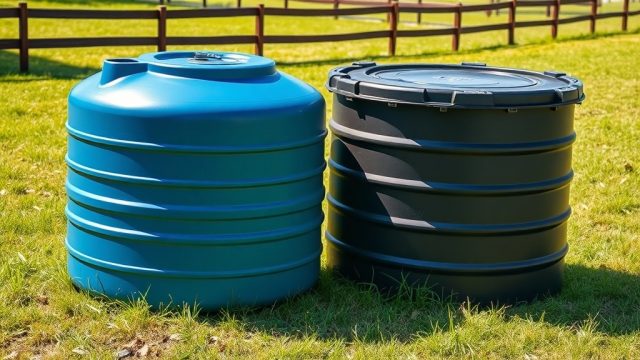

Introduction to Water Quality in the Tuff Stuff 200-Gallon Stock Tank
Maintaining pristine water in a Tuff Stuff 200-gallon stock tank is a delicate balance between chemical stability and biological activity. Bacteria are both the unsung heroes and the silent saboteurs of this system, playing a crucial role in breaking down organic waste while posing a threat to livestock health if left unchecked. This guide focuses on practical bacteria treatment strategies that preserve water quality, control algae growth, and ensure a safe drinking source for your animals.
From temperature fluctuations to nutrient overload, the 200-gallon capacity of this tank amplifies every water quality challenge. Proper bacteria management not only prevents foul odors and green blooms but also extends the interval between required cleanings—a significant benefit for busy livestock operators. By understanding the microbial ecosystem within your tank, you can implement targeted treatments that keep water clear and safe without resorting to harsh chemicals that might harm your herd.
How Does Bacteria Contribute to Algae Growth in a 200-Gallon Stock Tank?
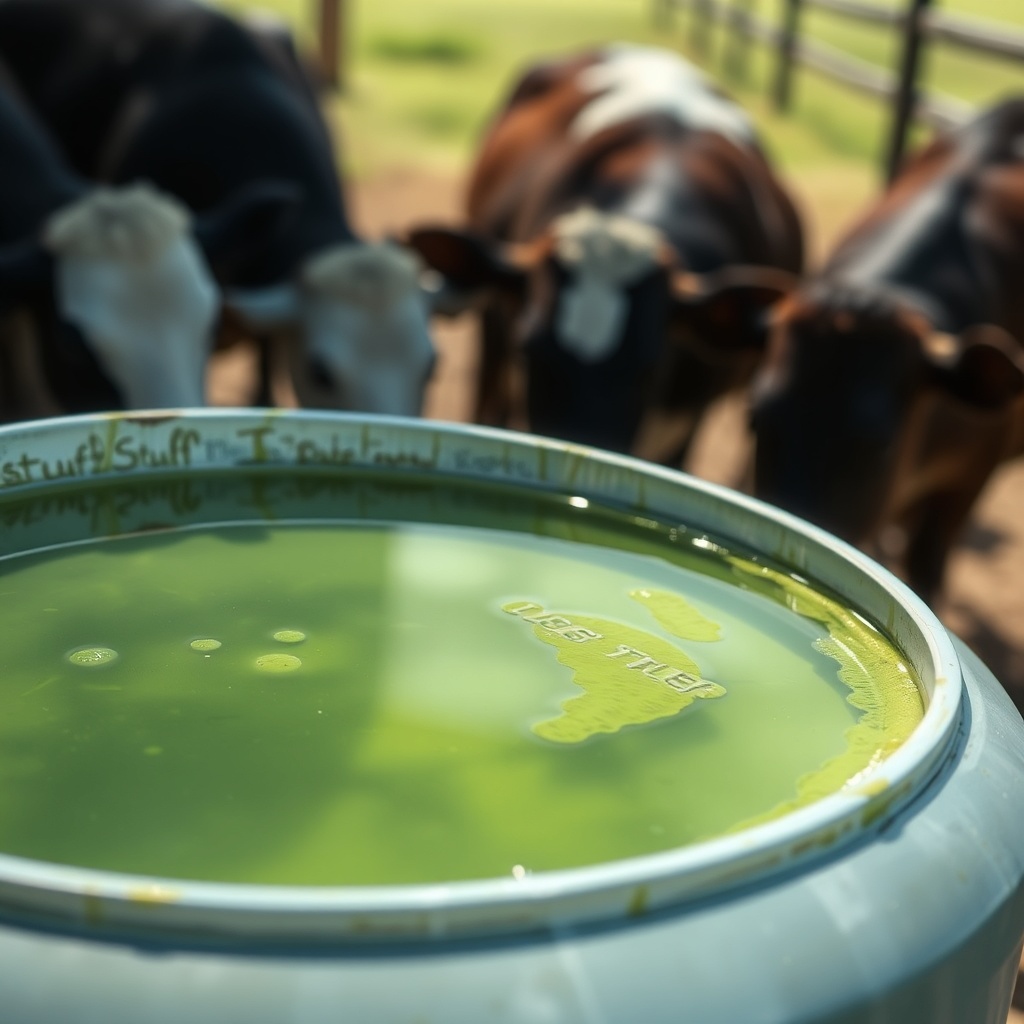
Bacteria serve as the foundation of the aquatic food web in your stock tank. When organic matter—manure, spilled feed, or dead insects—enters the water, aerobic bacteria begin decomposing it, releasing nutrients like nitrogen and phosphorus. These dissolved nutrients act as fertilizer for algae. In a Tuff Stuff 200-gallon tank, even a small amount of organic input can trigger a significant algal bloom because of the water body’s relatively large surface area-to-volume ratio.
The cycle accelerates when beneficial bacteria populations are overwhelmed. Warm water above 70°F (21°C) speeds up bacterial metabolism, increasing nutrient release rates. Algae then colonize rapidly, blocking sunlight from reaching lower water layers, which kills oxygen-producing plants and creates zones where harmful anaerobic bacteria thrive. This chain reaction is why algae control must begin with bacterial balance. Implementing a regular natural algae control regimen that supports beneficial bacteria is the first step toward breaking this cycle.
Key indicators that bacterial imbalance is fueling algae include:
- Sudden green or blue-green discoloration within 48 hours of a feeding change
- Slime formation on tank walls before surface algae appears
- Foul egg-like odors during warm afternoons
- Visible floating debris that does not settle
Testing your water weekly for ammonia (target 0 ppm) and nitrate (keep below 40 ppm) helps catch these imbalances early. When ammonia spikes occur, it signals that aerobic bacteria cannot keep pace with waste loading—often a precursor to an algae outbreak.
What Are the Best Bacteria Treatment Products for 200-Gallon Stock Tanks?
Commercial bacteria treatments fall into three categories: liquid concentrates, slow-release tablets, and powdered formulations. For a Tuff Stuff 200-gallon tank, the most effective products contain strains of Bacillus and Pseudomonas bacteria that thrive in both aerobic and low-oxygen conditions. Liquid concentrates offer the fastest response—often clearing mild algae within 4 to 6 hours—but require weekly redosing. Tablets provide consistent slow release over 30 days, ideal for owners who cannot maintain a strict treatment schedule.
Below is a comparison of three top-rated options for 200-gallon tanks, with pricing in USD as of early 2025:
| Product Name | Form | Dosage per 200 Gal | Duration | Price (USD) | Best For |
|---|---|---|---|---|---|
| ClearPond BioClean | Liquid | 16 fl oz weekly | 7 days | $18.99 | Rapid algae knockdown |
| StockTank Pro Tab | Tablet | 2 tablets monthly | 30 days | $24.50 | Low-maintenance regimen |
| AquaClear Powder | Powder | 4 oz every 2 weeks | 14 days | $12.75 | Budget-friendly bulk use |
When selecting a product, check for live bacteria colony counts (CFUs) listed on the label. A minimum of 1 billion CFU per dose is recommended for 200-gallon tanks. Avoid products with added dyes or synthetic flocculants, as these can disrupt the natural bacterial cycle. For tanks that receive direct sunlight for more than 6 hours daily, consider pairing bacteria treatments with a solar-powered heater to maintain consistent water temperatures that promote bacterial activity without overheating.
Hydrogen peroxide-based treatments are sometimes marketed as bacteria enhancers but actually oxidize bacteria cells—use these only as spot treatments for severe algae outbreaks, not as routine additions. Remember that bacteria are living organisms; their effectiveness depends on pH levels between 6.5 and 8.5 and temperatures above 50°F (10°C). In colder climates, bacterial activity drops dramatically below 40°F, requiring alternative treatment approaches such as those covered in our freeze protection guide.
How to Establish a Weekly Bacteria Treatment Routine for Optimal Water Clarity
A consistent weekly routine prevents the boom-and-bust cycles that plague many stock tank owners. Start with a baseline protocol: test your water every Monday morning before treating. Record ammonia, nitrite, nitrate, and pH levels in a logbook. When ammonia exceeds 0.5 ppm or nitrate surpasses 50 ppm, perform a 25% water change before adding bacteria treatment. This dilution removes accumulated toxins that would otherwise kill the introduced bacteria, wasting your product and money.
Here is a sample weekly schedule tailored for a Tuff Stuff 200-gallon tank during active use by 10 to 15 sheep or 4 to 6 cattle:
- Monday: Test water; if needed, 25% change; dose liquid bacteria (16 fl oz)
- Wednesday: Visual inspection; skim surface debris
- Friday: Test ammonia; if below 0.25 ppm, add maintenance dose (half the initial amount)
- Sunday: Final visual check; clean tank walls with soft brush (avoid soap)
After two weeks of adherence, you will notice a stable clarity—water that is slightly green-tinged but not opaque, with no surface scum. This indicates a healthy bacteria population consuming waste faster than algae can use it. If your tank develops a pea-soup color within 24 hours of dosing, reduce the initial dose by 25% for the next treatment. Overdosing can cause bacteria to outcompete each other, creating die-off events that release stored nutrients.
Temperature plays a critical role in treatment efficacy. In summer, when water temperatures exceed 85°F (29°C), bacterial metabolism doubles, meaning you may need to dose every 5 days instead of weekly. During winter, when water drops below 50°F (10°C), consider switching to a solar heater installation to keep water warm enough for bacterial activity. For owners in freezing zones, combining bacteria treatments with a heater allows year-round biological filtration, reducing the need for full water exchanges.
One common mistake is applying bacteria treatments immediately after cleaning the tank with bleach or chlorine. Chlorine residues can linger on surfaces for up to 48 hours, killing any bacteria introduced. Always rinse the tank twice with fresh water after sanitizing, then wait 24 hours before adding bacteria. Alternatively, use product-specific neutralizers to accelerate the waiting period.

When Should You Shock-Treat the Stock Tank with Bacteria?
Shock treatment is reserved for situations where routine care has failed. Signs you need a bacteria shock dose include: water turning dark green within 6 hours of cleaning, persistent ammonia readings above 2 ppm despite regular dosing, or a thick biofilm on tank walls that sloughs off in sheets. For a 200-gallon tank, a shock dose is typically 3 to 4 times the standard maintenance amount—for liquid products, that means 48 to 64 fl oz applied in one treatment.
Before shocking, test pH and adjust if necessary (optimal range: 6.5–8.5). Remove any animals from access for 4 hours post-treatment, as the sudden bacterial bloom consumes oxygen rapidly. Some owners add an air stone during shock treatment to maintain dissolved oxygen levels. After shocking, do not feed livestock for at least 2 hours to reduce waste input while bacteria establish dominance.
Follow a shock treatment with a 48-hour monitoring period. In the first 12 hours, water may appear cloudier as bacteria multiply—this is normal. By 24 hours, clarity should improve significantly. If after 48 hours the water remains turbid, you likely have a persistent pathogen or chemical imbalance, not just a bacterial deficiency. In such cases, consult a veterinarian or water quality specialist, as runoff from fertilizers or septic systems can overwhelm even shock doses. Additionally, verify that your tank’s location—whether on a gravel base or concrete pad—prevents groundwater contamination; see our installation guide for base choices for proper drainage considerations.
Shock treatment should not be performed more than once per month. Overuse creates resistant bacterial strains and selects for species that produce slime rather than break down waste. For tanks that require frequent shocking, investigate the underlying cause: overstocking, nearby manure piles, or inadequate water flow from a heater or aerator.
How to Prevent Bacteria Die-Off from Temperature Extremes and Chemical Overload
Bacteria are sensitive to sudden changes in their environment. Temperature swings of more than 10°F (5.5°C) within 24 hours can cause a bacterial crash, releasing stored nutrients and triggering immediate algae blooms. For outdoor tanks in regions with hot days and cool nights, consider adding a solar-powered heater that maintains a consistent temperature around 60°F (15°C). The Tuff Stuff 200-Gallon Stock Tank Solar-Powered Heater Installation Guide offers step-by-step setup for automated temperature regulation.
Chemical overload is equally damaging. Common culprits include:
- Chlorinated well water (levels above 0.5 ppm kill bacteria)
- Copper sulfate from algae treatments (toxic to bacteria at 0.5 ppm)
- High iron content (above 3 ppm inhibits bacterial reproduction)
- Frequent dewormer residue from livestock (some formulations persist in water)
To protect bacteria, always dechlorinate new water with a sodium thiosulfate solution (available at aquarium stores) or let it sit in a clean container for 48 hours before adding to the tank. If your well water has high iron, install a simple sediment filter at the fill point. When using copper-based algae treatments, wait a minimum of 7 days before reintroducing bacteria supplements, as copper’s antibacterial effects linger. A safer alternative is to rely on natural algae control methods that work symbiotically with bacteria, such as barley straw extract or shading the tank with a floating cover.
Observing your livestock’s drinking behavior provides early warning signs of bacterial issues. If animals stop drinking or drink only small amounts, bacteria may be producing off-flavors or toxins (such as those from Pseudomonas aeruginosa). In these cases, drain the tank completely, scrub with a vinegar solution (1 part white vinegar to 10 parts water), rinse thoroughly, and restart with fresh water and a full bacteria dose.
What Owners Say: Real Experiences with Bacteria Treatment in 200-Gallon Tanks
Farmers and hobbyists who manage Tuff Stuff 200-gallon tanks consistently report that bacteria treatment transforms water management from a chore into a routine. Carl Hendricks, who keeps 12 Boer goats in Missouri, notes: “I used to scrub my tank every 10 days, and within three days the algae was back. After starting weekly liquid bacteria doses, I now clean every 45 days. The water stays clear, and my goats drink more consistently.”
Another owner, Patricia Sun, who operates a 20-head beef cattle operation in Texas, shares: “My tank is in full sun from 10 a.m. to 4 p.m. in July. I was fighting green slime constantly. A neighbor recommended a tablet-based bacteria treatment. I drop two tablets in once a month, and the water stays drinkable even during 100°F heat. I spend less than $30 per month and save hours of labor.”
Some owners emphasize the importance of pairing bacteria with mechanical removal. John Barlow, an alpaca breeder in Oregon, explains: “I use a powder bacteria treatment every two weeks, but I also manually skim surface debris every morning. The combination keeps the tank crystal clear. I’ve gone from water changes every week to every six weeks.”
However, not all experiences are flawless. Several owners report that after heavy rain, “the water turns cloudy overnight no matter what I do.” This is typically due to runoff introducing excess nutrients and soil particles that overwhelm bacterial populations. The solution involves redirecting downspouts away from the tank or adding a rain cover. For cold climates, winter performance drops sharply; many owners switch to heated tanks or pause bacteria treatments altogether until spring, relying on freeze protection methods from our freeze protection guide during those months.
Frequently Asked Questions About Bacteria Treatment in Tuff Stuff 200-Gallon Stock Tanks
Q: Can I use pond bacteria treatments meant for fish ponds in my stock tank?
A: Yes, but choose products labeled “safe for livestock” or “drinking water safe.” Fish pond treatments often contain dyes or flocculants that are harmless to fish but may settle in a stock tank’s bottom and cause palatability issues. Always check the label for livestock approval.
Q: How long after adding bacteria can my animals drink from the tank?
A: Most liquid and powder products are safe for immediate use, though some manufacturers recommend a 30-minute wait for distribution. Tablet formulations can be used right away. For shock doses, wait 4 hours to prevent oxygen depletion affecting animals.
Q: My water has a musty odor even after treatment. What’s wrong?
A: Musty odors often signal anaerobic bacteria producing geosmin and 2-MIB compounds. Increase aeration with a bubbler or small fountain to raise dissolved oxygen. If odor persists after one week, drain and clean the tank with a diluted hydrogen peroxide solution (1 cup 3% H2O2 per 5 gallons water) before restarting the bacteria regimen.
Q: Does bacteria treatment remove or prevent the need for a water heater?
A: No. Bacteria treatments manage biological load but do not regulate temperature. In cold weather, water below 50°F (10°C) inactivates most beneficial bacteria. A heater maintains a temperature that keeps bacteria active. The solar heater installation can provide eco-friendly winter backup without affecting water chemistry.
Q: Can I combine bacteria treatment with UV sterilizers or ozone systems?
A: While UV and ozone kill algae and pathogens, they also kill beneficial bacteria. If using such systems, dose bacteria after UV exposure stops (e.g., during off-peak hours) or use encapsulated probiotic products designed to survive UV radiation. Otherwise, your treatment will be wasted.
Q: How much does a full bacteria treatment routine cost per year for a 200-gallon tank?
A: Assuming weekly liquid doses at $18.99 per 4-week supply, annual cost is approximately $247 USD. Tablet users at $24.50 per month pay about $294 USD per year. Powder users at $12.75 biweekly spend around $331 USD annually. These costs are typically less than the labor and water replacement expenses of untreated tanks.