Understanding Algae Growth in the Rubbermaid 100-Gallon Stock Tank
The Rubbermaid 100-Gallon Stock Tank is a staple for livestock watering due to its durable polyethylene construction and large capacity. However, its dark interior and shallow depth create ideal conditions for algae blooms, especially in warm weather. Left untreated, algae can degrade water quality, reduce palatability, and harbour harmful bacteria, leading to health issues in cattle, horses, and poultry. Effective algae control combines preventative measures with targeted treatments to maintain clean, fresh water year-round.
What Causes Algae to Bloom in My Rubbermaid Stock Tank?
Algae thrive in warm, stagnant water with ample sunlight. The Rubbermaid 100-Gallon Stock Tank’s dark resin absorbs heat, raising water temperature and promoting photosynthetic growth. Nutrients such as nitrates and phosphates from feed, manure, or decaying organic matter fuel algae reproduction. Even with frequent refilling, residual spores can re-establish quickly. Shallow depth—around 12 inches—allows sunlight to penetrate fully, accelerating blooms during summer months.
- Sunlight exposure: Direct sun for 6+ hours daily triggers rapid growth.
- Nutrient load: Bird droppings, hay debris, and mineral supplements deposit phosphates.
- Water stagnation: Low turnover allows algae to settle and multiply.
- Bacterial seeding: Biofilm on tank walls provides a base for algae attachment.
What Are the Best Prevention Methods for Algae in a Rubbermaid 100-Gallon Stock Tank?
Prevention is more cost-effective than remediation. Shade is the first line of defence. Place the tank under a roof, lean-to, or use a floating shade cover to reduce UV exposure. Regular cleaning every 7–10 days scrubs away biofilm before algae establish. Use a stiff brush and a mild vinegar solution—avoid bleach as it degrades polyethylene. The Rubbermaid 100-Gallon Stock Tank Material Review: Polyethylene vs. Steel highlights that polyethylene resists corrosion, making it safe for gentle acids like vinegar. Additionally, install a water agitator or airstone to keep water moving; algae dislike turbulence.
| Method | Effectiveness | Upfront Cost (USD) | Ongoing Maintenance |
|---|---|---|---|
| Shade cover (metal or fabric) | High (reduces light 90%) | $25–$45 | Replace fabric every 2 years |
| Floating pond dye (blue/black) | Moderate (blocks UV but not nutrients) | $10–$20 per bottle | Reapply after heavy rain or refills |
| Weekly scrubbing with vinegar | Very high (removes biofilm) | $2 (vinegar per use) | 30 minutes per week |
| Water agitator (solar pump) | High (prevents stagnation) | $50–$80 | Battery or panel cleaning |
| Barley straw bale (submerged) | Moderate (biological control) | $8 per bale | Replace every 6 weeks |
How Do I Safely Treat Existing Algae Without Harming Livestock?
Once algae appear, immediate action prevents a full bloom. Physically remove floating mats with a net, then drain and scrub the tank. For stubborn green layers, fill the tank with water and add 1 ounce of food-grade hydrogen peroxide (3% solution) per 10 gallons. Let it sit for 30 minutes, then scrub and rinse thoroughly. Copper sulphate is effective but toxic to horses and sheep at high doses—use only 0.5 ppm and drain after 6 hours. Alternatively, use a chlorine-based livestock water treatment at label rates (e.g., 1 teaspoon per 100 gallons, wait 24 hours before stock access). Always check the Rubbermaid 100-Gallon Stock Tank Repair Guide: Fixing Common Leaks and Cracks to ensure your tank has no cracks where treatments could seep into the ground.
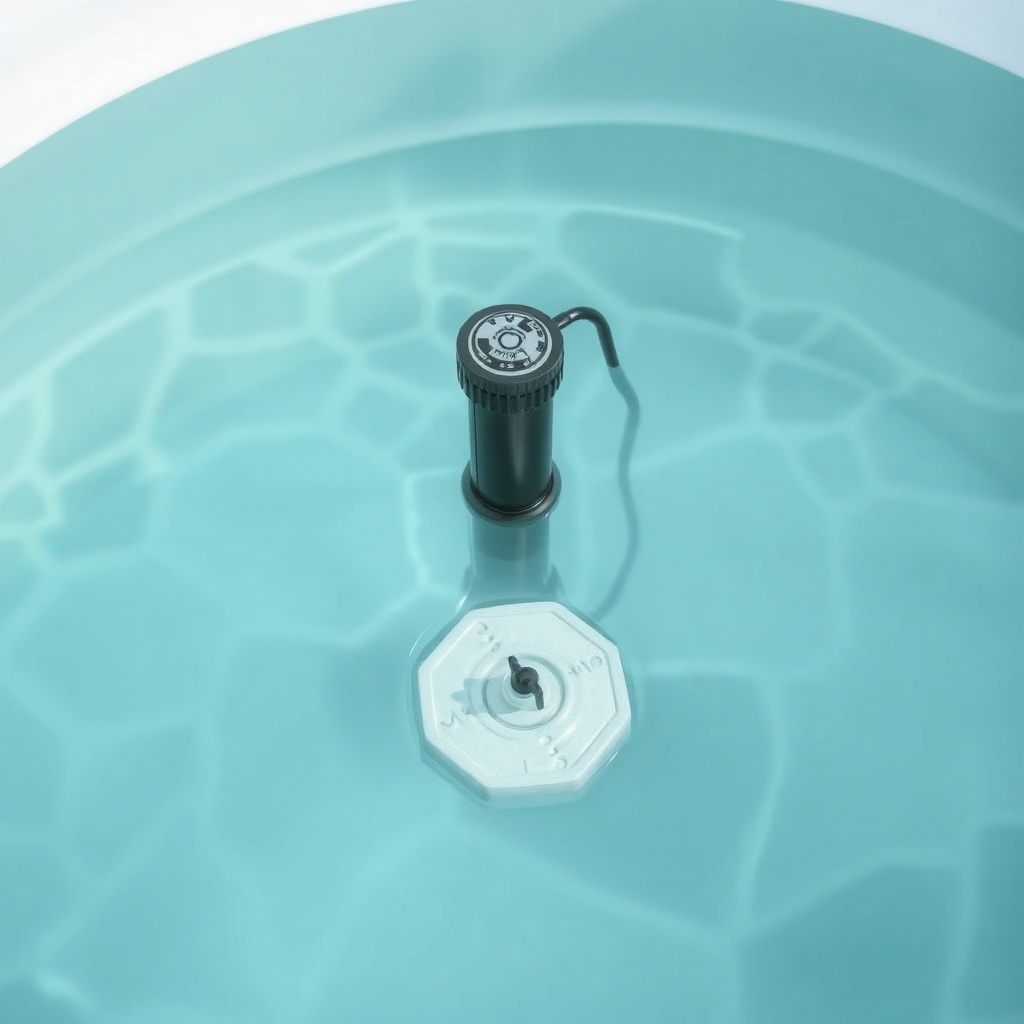
For a non-chemical approach, introduce mosquito fish (Gambusia affinis) in tanks without livestock access. These small fish eat algae larvae but require stable water temperatures. In freezing climates, remove them before winter. Another option is an ultrasonic algae controller—a battery-powered device that emits high-frequency waves to disrupt algae cell walls. At $120–$150, it is pricier but offers hands-off control for 3–5 years.
What Long-Term Maintenance Keeps the Rubbermaid 100-Gallon Stock Tank Algae-Free?
Establish a seasonal routine. During summer, drain and scrub the tank every 10 days, using a pressure washer on low setting to avoid scratching the plastic. Inspect the drain plug for leaks—any standing water beneath the tank breeds algae. In fall, add a floating stick or ball to reduce ice pressure, but avoid anti-freeze products. Cracks from ice expansion are a common failure point, so winterize by tilting the tank to drain completely or adding a stock tank de-icer. In spring, flush with a 10% bleach solution (1 cup per tank) for 15 minutes, then triple-rinse. This kills spores hibernating in the seam. Keep a log of water temperatures; above 75°F triggers blooms.
What Do Owners Say About Algae Control in the Rubbermaid 100-Gallon Stock Tank?
Long-term users of the Rubbermaid 100-Gallon Stock Tank emphasise that no single method is a silver bullet. One equestrian owner in Texas reported that shade alone reduced cleaning frequency from twice a week to once every three weeks. Another poultry keeper in Florida praised floating pond dye, noting that dark water reduced algae by 80% but required monthly dye reapplication after heavy storms. Several cattle farmers criticised copper sulphate, saying it stained the white snap-on cover and caused slight disinterest in drinking for a day. However, they agreed that a solar-powered agitator combined with weekly scrubbing gave the best results. One rancher in Montana mentioned that the tank’s smooth interior made scrubbing much easier compared to galvanised steel tanks.
Several owners on homestead forums recommend pairing the Rubbermaid 100-Gallon Stock Tank with a garden hose timer—fresh water trickling continuously prevents stagnation. They caution that the thick resin retains heat, so morning refills with cooler water help lower tank temperature. A common tip is to place a small floating ball (like a livestock watering ball) to block surface sunlight. Overall, the consensus is that prevention through shading and routine cleaning saves hours of scrubbing.
Frequently Asked Questions
Can I use algaecides designed for ponds in my Rubbermaid 100-Gallon Stock Tank?
Yes, but only those labelled for livestock water. Products containing copper or sodium carbonate peroxyhydrate are safe at low doses. Always follow label rates and keep stock away for 24–48 hours after treatment.
Does the Rubbermaid 100-Gallon Stock Tank’s black colour increase algae growth?
The dark interior absorbs heat, warming the water faster than lighter colours. This promotes algae growth, but it also helps prevent freezing in winter. You can offset the heat by shading or using a reflective cover.
How often should I change the water to prevent algae?
In summer, drain and refill every 5–7 days if you see any green tint. In winter, every 2–3 weeks is sufficient. Frequent small water changes (20% daily) using a float valve maintain freshness.
Will a UV clarifier work in a Rubbermaid stock tank?
A pond UV clarifier can be adapted, but it requires a pump and plumbing, which may be overkill for a 100-gallon tank. It kills floating algae but not bottom biofilm. Battery-powered units are more practical for small tanks.
Can algae harm my livestock?
Blue-green algae (cyanobacteria) produce toxins that can cause liver damage or death in animals. Green algae are mostly unsightly but reduce palatability, leading to dehydration. Always treat or remove before consumption.
Is it safe to use vinegar in the Rubbermaid 100-Gallon Stock Tank?
Yes, white vinegar (5% acetic acid) is safe for polyethylene at diluted rates—1 cup per tank. It kills biofilm and bacteria without leaving harmful residues. Rinse thoroughly before allowing stock to drink.