Why Does Algae Thrive in My Tuff Stuff 200-Gallon Stock Tank?
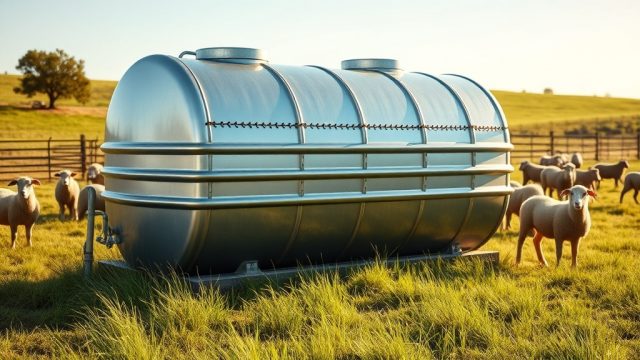
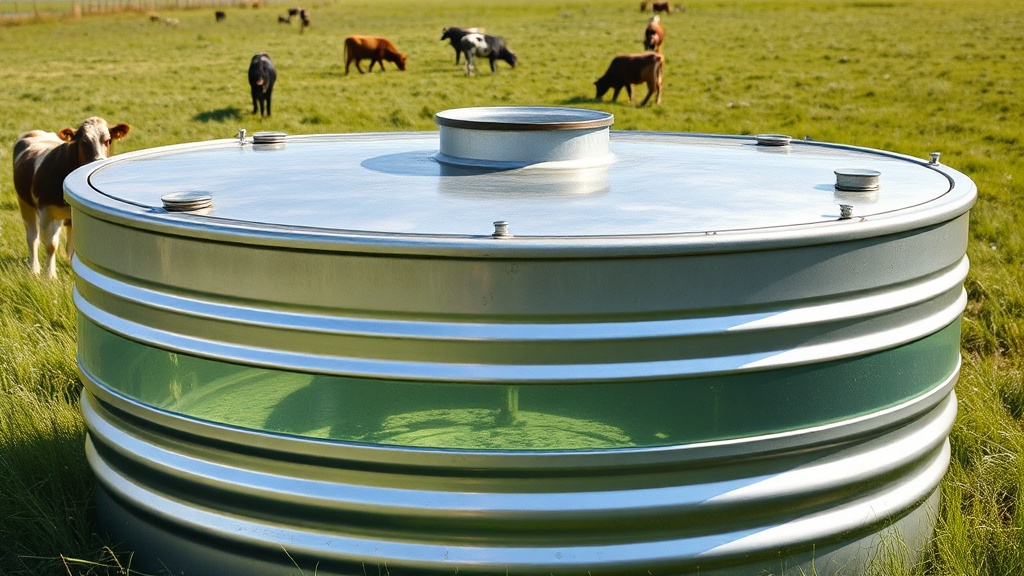
Algae growth in a Tuff Stuff 200-gallon stock tank is a common frustration for livestock owners, particularly during warm weather when sunlight and nutrients collide. This tank’s large surface area—roughly 64 inches in diameter and 24 inches deep—creates an ideal environment for algae to flourish if water quality is not carefully managed. Algae not only fouls the taste and odor of drinking water but can also harbor bacteria that threaten animal health, making proactive control essential for any cattle, horse, or sheep operation.
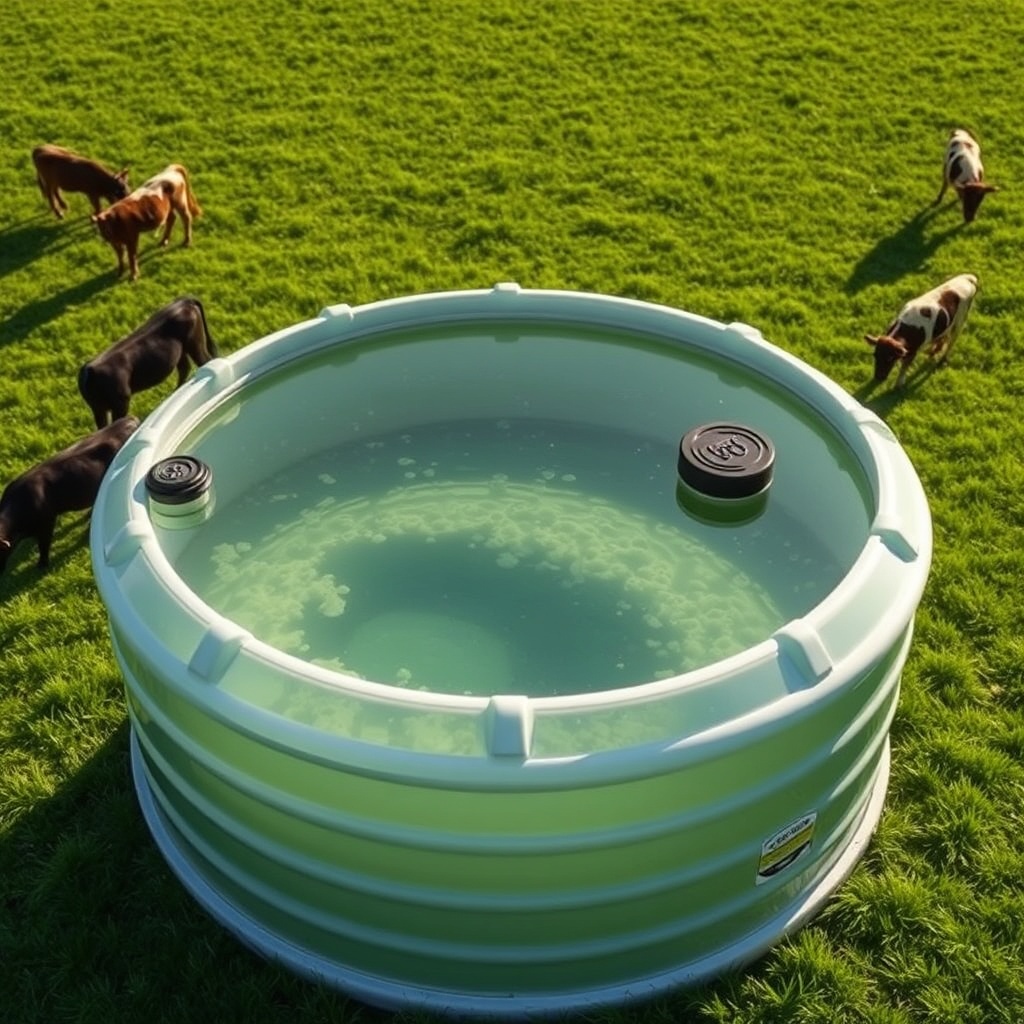
The primary drivers of algae in this tank are sunlight exposure, excess nutrients (such as manure runoff or decaying organic matter), and stagnant water conditions. Even with regular cleaning, a Tuff Stuff 200-gallon unit can become a green soup within days if these factors aren’t addressed. Understanding these root causes is the first step toward implementing natural control methods that reduce chemical reliance and save you money over time.
Many producers overlook that the tank’s galvanized steel construction—while durable—does not inherently inhibit algae. The smooth interior surface can actually promote biofilm formation, which feeds algae blooms. Fortunately, there are several proven, natural strategies specifically tailored to the Tuff Stuff 200-gallon design that can keep water clear without resorting to harsh algicides.
Can Barley Straw Control Algae in a Tuff Stuff 200-Gallon Tank?
Barley straw is one of the most researched natural algae control methods, and it works surprisingly well for the Tuff Stuff 200-gallon stock tank. When barley straw decomposes in water, it releases compounds that inhibit algae growth without harming livestock or beneficial aquatic organisms. For this tank size, you’ll need approximately 1 ounce of barley straw per 10 gallons of water, which translates to about 20 ounces (1.25 pounds) of straw for a full 200-gallon tank.
The application method matters. Loosely pack the straw into a mesh bag or nylon stocking, tie it securely, and submerge it just below the water surface near the tank’s edge. Replace the straw every 4 to 6 weeks, or when it begins to break down and lose effectiveness. The Tuff Stuff’s open-top design allows for easy access, and the straw bag can be anchored to the tank rim with a clip or heavy stone.
Barley straw works best as a preventative measure, not a cure for existing blooms. If your tank already has heavy algae growth, remove as much algae as possible manually before introducing the straw. Results typically appear within 4 to 6 weeks, so plan ahead during peak summer months. For winter storage, you can remove the straw entirely, as algae growth slows considerably in cold water—though you may still want to consider freeze protection strategies if ice forms on the surface.
Does Aeration Reduce Algae in a Tuff Stuff 200-Gallon Tank?
Yes, aeration is highly effective for controlling algae in the Tuff Stuff 200-gallon stock tank, primarily because it disrupts the stagnant conditions that algae prefer. By introducing oxygen and water movement, you create an environment less hospitable to algae while improving overall water quality for your livestock. A simple solar-powered air pump with a diffuser stone can circulate the entire tank volume without adding electricity costs.
For this tank size, a pump rated for 100 to 200 gallons per hour (GPH) is sufficient. Place the diffuser on the tank floor, preferably in the center, to create a gentle but constant circulation pattern. The Tuff Stuff’s flat bottom and smooth interior walls allow even distribution of oxygen, preventing dead zones where algae can establish. This method also helps disperse nutrients that might otherwise accumulate, reducing the food source for algae blooms.
One caution: avoid over-aerating, which can chill the water in winter or stress fish if you’re using the tank for aquaculture. A timer set to run during peak sunlight hours (10 a.m. to 4 p.m.) often provides the best balance. For colder months, you can combine aeration with a stock tank heater to maintain water temperatures without encouraging algae regrowth.
| Algae Severity | Visual Signs | Recommended Natural Method | Expected Time to Clear |
|---|---|---|---|
| Mild (trace green tint) | Water slightly green, no visible clumps | Barley straw bag + partial shade | 2–4 weeks |
| Moderate (light green film) | Surface film, some stringy clumps | Aeration pump + manual removal | 1–2 weeks |
| Heavy (thick green mat) | Dense algae layer, foul odor | Manual cleaning + barley straw + aeration | 3–5 weeks |
| Severe (pond-like scum) | Thick floating mats, reduced water volume | Drain and scrub + UV treatment | 1–2 days after cleaning |
The table above provides a quick reference for matching your Tuff Stuff 200-gallon tank’s condition to the most effective natural approach. Start with the least invasive method (barley straw or aeration) and escalate only if algae persists after 4 weeks.
What Role Does Shade Play in Keeping Water Clear?
Shade is arguably the most cost-effective natural algae control method for the Tuff Stuff 200-gallon stock tank. Algae require sunlight for photosynthesis, and reducing light exposure by just 50 percent can cut algae growth by up to 80 percent. The Tuff Stuff’s 64-inch diameter provides ample surface area for shading strategies, from floating covers to permanent structures.
Practical shading options include a simple shade cloth draped over a PVC frame positioned 2 to 3 feet above the tank. A 70 percent shade cloth allows enough light for livestock to see the water while blocking the wavelengths most critical for algae. Alternatively, planting a deciduous tree or erecting a wooden pergola over the tank integrates seamlessly into a pasture setting. Just ensure the structure doesn’t interfere with your base installation or access for cleaning.
Floating covers, such as dark-colored polyethylene discs, also work well for the Tuff Stuff’s round shape. Cut a cover slightly smaller than the tank diameter (about 60 inches) to allow for expansion and easy removal during filling. Keep in mind that livestock may push or play with floating objects, so secure the cover with weights or clips. During winter, shade can help maintain warmer water temperatures by reducing heat loss through evaporation, though you’ll still need a heater in frigid climates.
How Often Should I Clean My Tuff Stuff 200-Gallon Tank Naturally?
Regular cleaning is the backbone of natural algae control, but the frequency depends on your specific conditions. For a Tuff Stuff 200-gallon tank in a shaded location with barley straw or aeration, a thorough cleaning every 4 to 6 weeks is typically sufficient during warm months. In full sun without interventions, you may need to scrub the tank every 2 weeks to stay ahead of blooms.
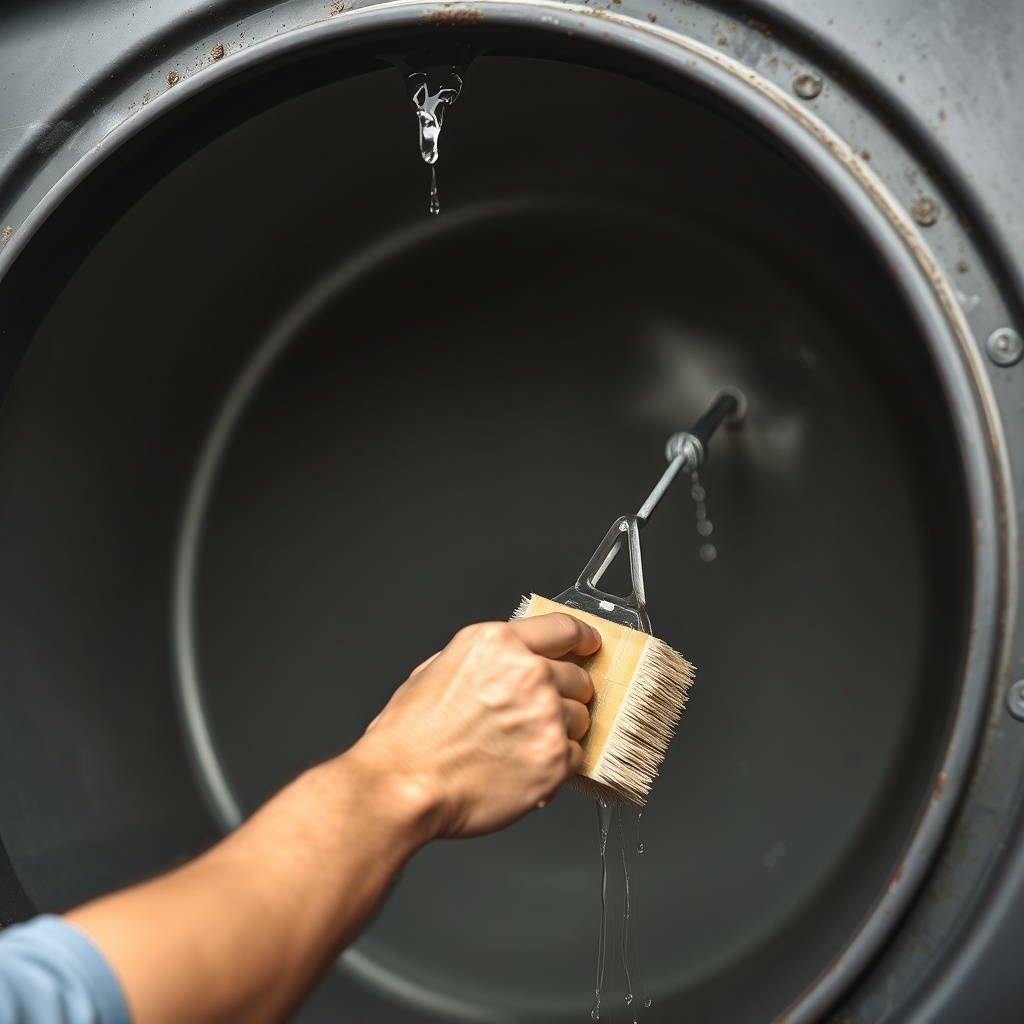
The natural cleaning process involves draining the tank completely, then scrubbing the interior with a stiff brush and white vinegar (1 cup per 5 gallons of water). Avoid bleach or harsh chemicals, as residues can harm livestock. Rinse thoroughly with fresh water before refilling. The Tuff Stuff’s smooth galvanized surface rinses clean easily, but pay attention to the bottom seam where debris can accumulate.
Between deep cleanings, perform weekly spot checks: skim any floating debris, wipe the rim with a damp cloth, and inspect the water for early signs of algae discoloration. If you notice green streaks on the tank walls, use a long-handled brush to remove them before they release spores. This proactive maintenance extends the life of your tank and reduces the need for chemical treatments, aligning with natural management goals.
Can Beneficial Bacteria Replace Chemical Treatments?
Beneficial bacteria products, often marketed as pond or livestock tank treatments, can be an effective natural complement for the Tuff Stuff 200-gallon stock tank. These bacteria consume the nutrients (nitrates and phosphates) that fuel algae growth, starving out blooms without affecting water pH or livestock safety. For this tank volume, you’ll need a product specifically formulated for livestock tanks—not pond treatments, which may contain additives unsuitable for drinking water.
Apply the bacteria according to the manufacturer’s instructions, typically 1 tablespoon per 50 gallons weekly. The Tuff Stuff’s open-top design allows easy dosing, and the bacteria will settle on the bottom and walls, where they outcompete algae for resources. Most products work best in water temperatures above 50°F (10°C), so their effectiveness drops in winter—another reason to pair them with freeze protection tips for year-round management.
One advantage of bacteria is that they don’t require removal like barley straw does; they simply die off when nutrients are depleted. However, they can be slower to act (2 to 4 weeks for visible results) and may require repeated dosing after heavy rain or livestock activity that introduces fresh nutrients. For best results, combine bacteria with aeration to keep the water oxygenated—this speeds up bacterial metabolism and enhances their algae-fighting capabilities.
What Owners Say About Natural Algae Control on the Tuff Stuff 200-Gallon
Livestock owners who have adopted natural algae control methods for their Tuff Stuff 200-gallon stock tanks report significant improvements in water clarity and a reduction in ongoing maintenance. Many emphasize that barley straw worked better than they expected, with one cattle producer noting that a single bag kept his tank clear for two full months during a hot Kentucky summer. Another owner shared that adding a small solar aerator eliminated the weekly scrubbing routine she had relied on for years.
Several users highlight the importance of shade, particularly those who installed a simple shade sail over their tank. One horse farm manager in Texas reported that shading the tank reduced algae by 70 percent and cut water evaporation by half, saving on both cleaning time and water hauling costs. The Tuff Stuff’s sturdy construction supports these modifications well, though owners advise checking that any covering doesn’t trap moisture against the tank’s galvanized surface, which could accelerate corrosion over decades.
Some owners caution that natural methods require patience and consistency compared to chemical algaecides, which work in hours. However, the trade-off—no chemical residues in drinking water and lower long-term costs—makes natural control a popular choice. One sheep rancher summed it up: “I spent two seasons fighting algae with chemicals that stressed my flock. Switching to barley straw and shade cloth took longer to show results, but now the water stays clean and my animals drink better.”
Frequently Asked Questions
Q: How much barley straw do I need for a full Tuff Stuff 200-gallon tank?
A: You need approximately 20 ounces (1.25 pounds) of barley straw, or about 1 ounce per 10 gallons. Loosely pack it in a mesh bag and submerge it near the water surface for the best results.
Q: Can I use bleach to kill algae in my Tuff Stuff stock tank?
A: Bleach is not recommended for livestock tanks because residual chemicals can harm animals. Natural methods like aeration, shade, and barley straw are safer and equally effective when used correctly.
Q: Does the Tuff Stuff 200-gallon tank require special cleaning tools?
A: No. A standard stiff-bristled brush and white vinegar solution work well on the smooth interior. Avoid abrasive pads that might scratch the galvanized coating. The tank’s 24-inch depth is manageable with a long-handled brush.
Q: Will a solar aerator keep my tank clear in winter?
A: Solar aerators are less effective in winter due to reduced sunlight, but they can help maintain water movement. For freeze protection, combine aeration with a heat source recommended for your stock tank heater.
Q: How often should I replace the barley straw bag?
A: Replace the barley straw every 4 to 6 weeks, or once it begins to break down and turn gray. If algae returns before that, you may need a larger straw dose or added aeration.
Q: Can I use the same natural methods for a 100-gallon tank?
A: Yes, but reduce quantities proportionally. For a 100-gallon tank, use about 10 ounces of barley straw and a smaller aerator. See our size comparison guide for more details on scaling methods.