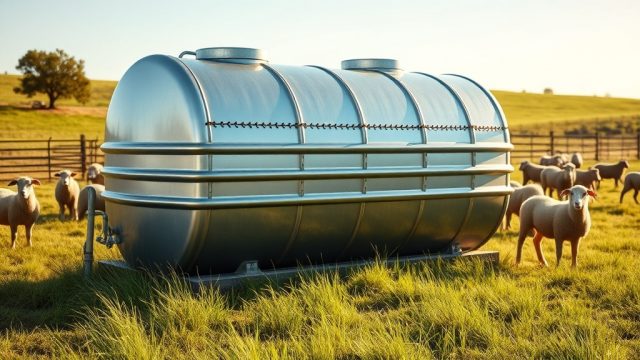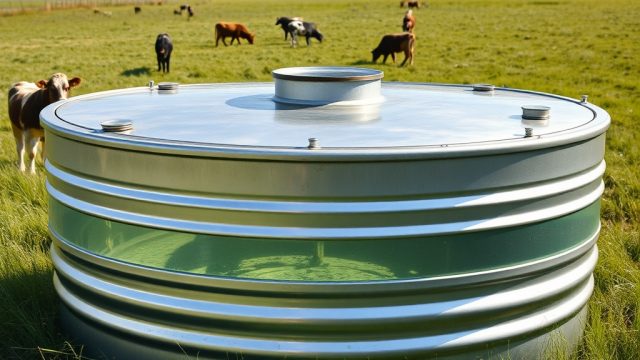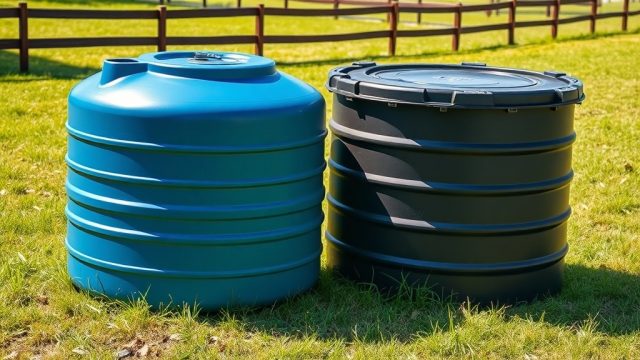
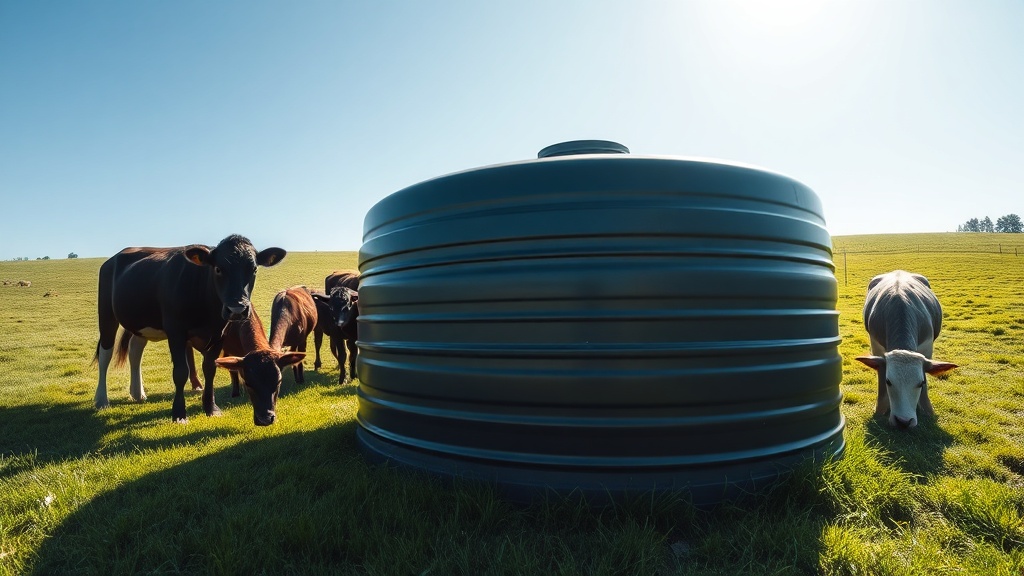
Understanding the Importance of Water Quality in Your Tuff Stuff 200-Gallon Stock Tank
When you invest in a Tuff Stuff 200-gallon stock tank, you’re providing a reliable water source for your livestock. However, even the most durable polyethylene tank can harbor bacteria, algae, and debris if water quality isn’t actively managed. This article focuses on practical testing methods and algae-control strategies to ensure every sip your animals take is safe and clean.
Regular water quality checks are essential for preventing health issues like scours, reduced feed intake, and even toxic algae blooms. Whether you’re using the tank in a pasture, corral, or barnyard, maintaining clean water protects your herd’s productivity and longevity.
How Often Should You Test Water in a Tuff Stuff 200-Gallon Stock Tank?
Testing frequency depends on environmental conditions, animal density, and water source. For most livestock operations, weekly testing is recommended during warm months when algae growth accelerates. In cooler seasons, bi-weekly testing may suffice, but always test after heavy rain, refilling from a new source, or noticing any change in water appearance.
- Summer (above 70°F): Test every 5-7 days for pH, chlorine residual, and algae presence.
- Winter (below 40°F): Test every 14 days, focusing on pH and dissolved solids.
- Post-storm or after cleaning: Always test 24 hours after refilling.
If you notice green or brown tint, surface film, or unusual odor, test immediately regardless of schedule.
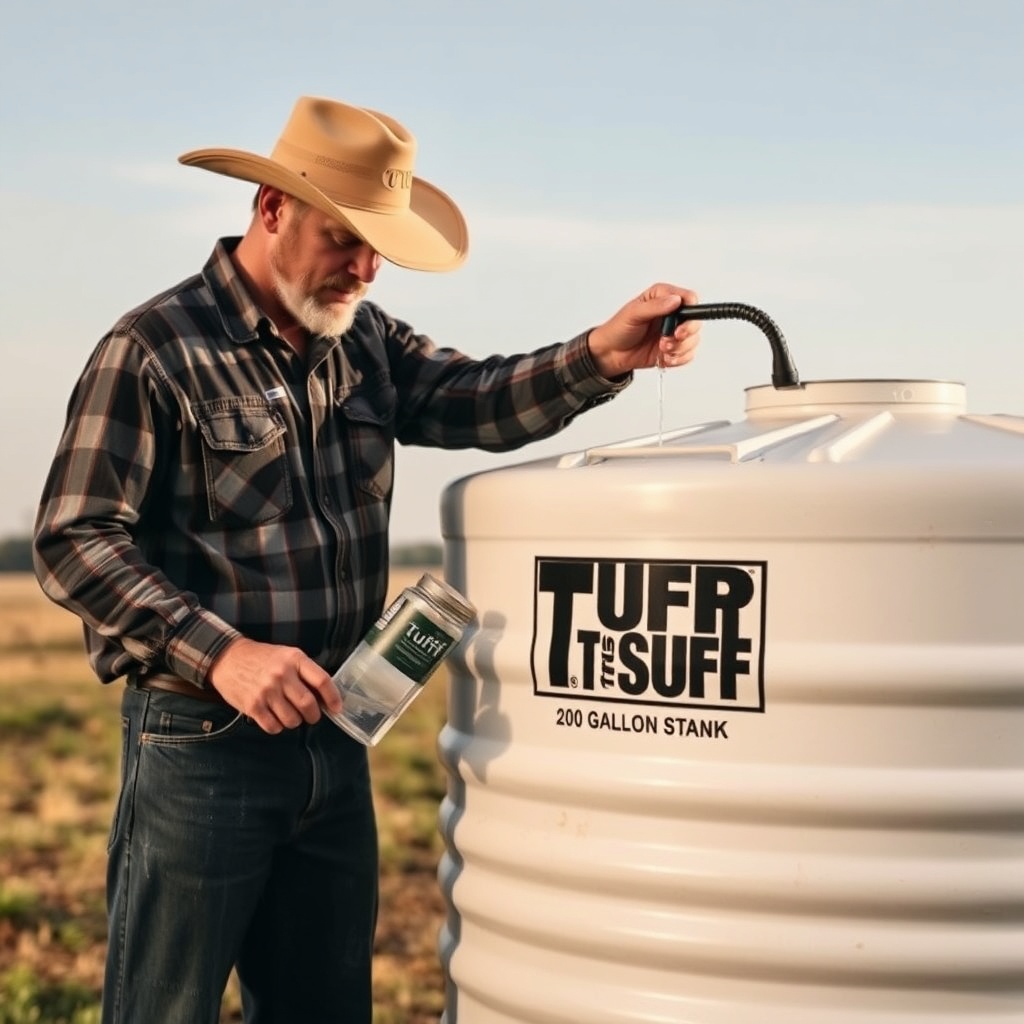
What Parameters Are Critical for Livestock Water Safety?
Livestock water should meet basic potability standards. The most critical parameters for your Tuff Stuff 200-gallon tank include total dissolved solids (TDS), pH, bacterial contamination, and algae levels. High TDS above 3,000 ppm can reduce water intake, while pH below 5.5 or above 8.5 may stress animals.
| Parameter | Safe Range | Ideal Range | Testing Method |
|---|---|---|---|
| Total Dissolved Solids (TDS) | <3,000 ppm | <1,500 ppm | TDS meter |
| pH | 5.5–8.5 | 6.5–7.5 | pH test strips or digital meter |
| Bacteria (coliform) | <1 CFU/mL | 0 CFU/mL | Coliform test kit |
| Algae (visual/quantitative) | No visible bloom | Clear | Visual or secchi disk |
| Chlorine (if treated) | 0.2–2.0 ppm | 0.5–1.0 ppm | DPD test strips |
High nitrate levels (above 10 ppm) should also be avoided, especially for young calves. Have your water source tested annually for nitrates, heavy metals, and pesticides.
How to Control Algae in Your Tuff Stuff 200-Gallon Stock Tank
Algae growth is the most common water quality complaint among stock tank owners. In the Tuff Stuff 200-gallon model, the large surface area and shallow depth (typically 24 inches) create ideal conditions for sunlight penetration and algae photosynthesis. Effective algae control combines physical and chemical methods.
- Shading the tank: Place the tank in partial shade or use a tank cover to block sunlight. This alone can reduce algae growth by 60-80%.
- Barley straw: A small bale or pillow of barley straw (about 1 ounce per 200 gallons) releases natural compounds that inhibit algae. Replace every 4-6 weeks.
- Copper sulfate: Use only in moderation and only if livestock will not consume treated water directly. For 200 gallons, 1/4 teaspoon of copper sulfate crystals every 2-3 weeks is sufficient. Avoid exceeding 0.5 ppm copper in the final water.
- Daphnia or goldfish: Some ranchers introduce daphnia (water fleas) or a few goldfish to consume algae naturally. Ensure the tank is cleaned regularly to prevent fish waste buildup.
For a step-by-step cleaning approach, refer to our How to Deep Clean Your Tuff Stuff 200-Gallon Stock Tank: Step-by-Step Guide to reset the water after severe blooms.
What Testing Kits Work Best for the Tuff Stuff 200-Gallon Tank?
Choosing the right testing equipment saves time and improves accuracy. For routine monitoring, we recommend combination kits that measure pH, hardness, and chlorine in one package. Digital probes for TDS and pH offer high precision for long-term use.
- Dip-and-read test strips: Most practical for quick weekly checks. Look for strips that include total alkalinity, pH, and nitrate.
- Digital TDS meter: Under $20 (£16) and provides instant readings of dissolved solids. Calibrate monthly.
- Colorimeter or photometer: For precise algae and bacterial testing, especially if you manage multiple tanks.
- Coliform culture kits: Incubate at room temperature for 24-48 hours to detect bacterial contamination. Ideal for source water testing.
Cost-effective and reliable options are available from farm supply stores or online retailers. A complete initial testing kit for a Tuff Stuff 200-gallon tank should cost $30-50 (£24-40).
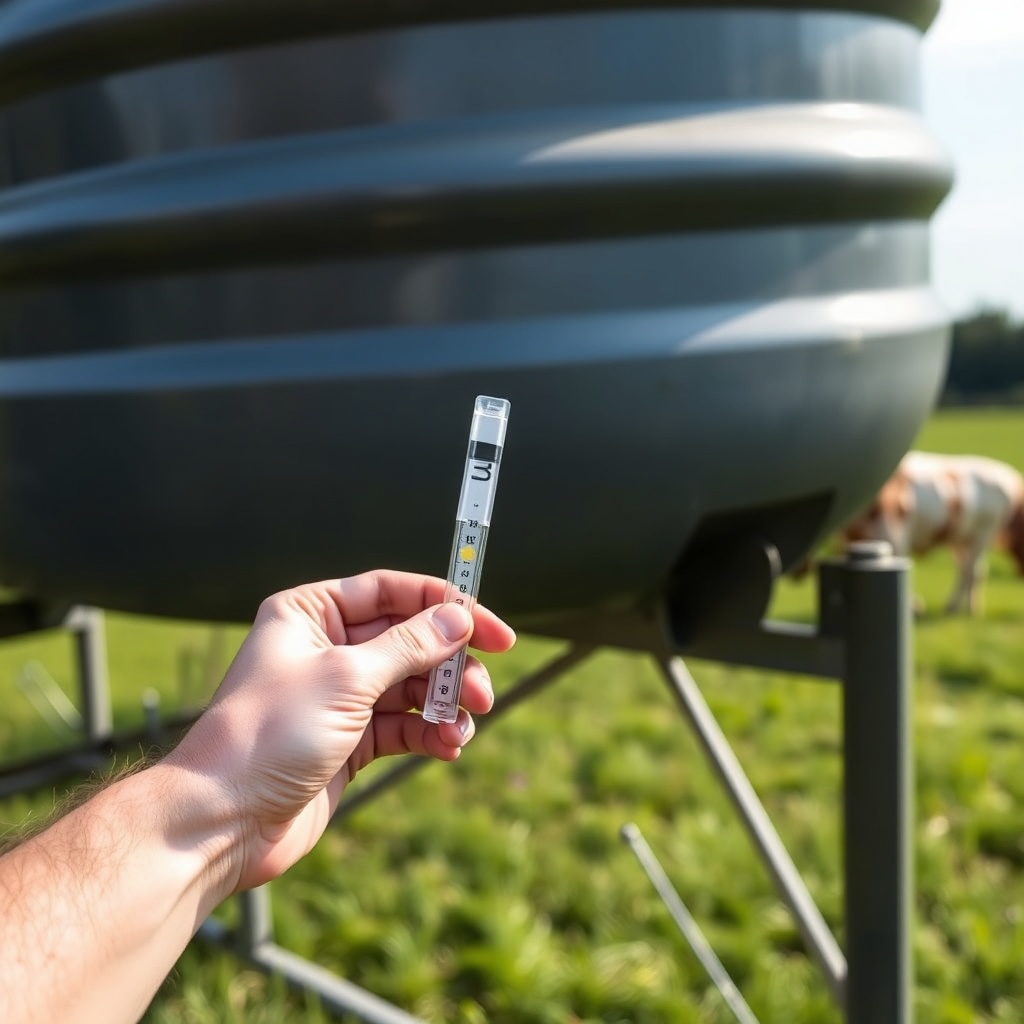
What Owners Say About Water Quality Management
Owner feedback consistently highlights that proper water quality maintenance is easier than expected with the Tuff Stuff 200-gallon tank. Many appreciate its smooth interior, which minimizes biofilm buildup compared to galvanized tanks. However, owners strongly advise regular testing, especially after hot spells.
“I bought my Tuff Stuff 200-gallon tank two years ago,” says Emily Hart, a sheep and goat farmer in Wyoming. “At first, I didn’t test the water regularly, and during a heat wave, I noticed a green film. Since I started using a simple pH/algae test strip every week and adding barley straw, the water stays crystal clear even in 95°F weather.”
Another owner, Mark Jensen from Nebraska, notes: “The tank is easy to clean with a pressure washer—I follow the Tuff Stuff 200-Gallon Stock Tank Installation: Complete Setup Guide for leveling and draining. I test water pH and TDS every Monday. It takes five minutes, and I’ve had zero health issues with my cows.”
A common tip from owners is to pair the tank with proper How to Protect Your Tuff Stuff 200-Gallon Stock Tank from Freezing in winter, as frozen water can concentrate dissolved solids and mask algal issues. Owners also recommend using a dedicated test journal to track changes over time.
When considering durability, many owners also refer to our Tuff Stuff 200-Gallon vs. Heavy-Duty Ranch Models: Which One Wins? to ensure they choose the right tank for their climate and herd size.
Frequently Asked Questions
Q: Can I use bleach (sodium hypochlorite) in a Tuff Stuff 200-gallon tank to kill algae?
A: Yes, but with caution. Use unscented household bleach at a rate of 1/8 teaspoon per 10 gallons (about 2.5 teaspoons for 200 gallons). Stir thoroughly and let the water sit for 30 minutes before allowing livestock to drink. Overdosing can harm animals and damage the tank’s plastic. Chlorine levels should not exceed 2.0 ppm.
Q: What is the best way to test for algae toxins in my stock tank?
A: Algae toxins, especially from blue-green algae (cyanobacteria), require laboratory testing. If you see bright green or blue-green scum, collect a water sample in a sterilized bottle and send to a certified lab. For routine prevention, use a Tuff Stuff 200-Gallon Stock Tank Heavy-Duty Features: What Makes It Durable to ensure the tank is UV-resistant and less prone to algae attachment.
Q: How often should I replace barley straw in a 200-gallon tank?
A: Replace barley straw pillows every 4-6 weeks, or when the straw becomes slimy and dark. One small pillow (about 2 ounces) is sufficient for 200 gallons. Ensure the straw is organic and free of pesticide residues.
Q: Is it safe to use copper sulfate algae control in my stock tank during hot weather?
A: Copper sulfate is effective but risky in hot weather because warm water holds less dissolved oxygen, and copper can be more toxic to fish and insects. For cattle and sheep, use only as directed (1/4 teaspoon per 200 gallons). Never use copper sulfate in tanks shared with fish or if the water will be used for irrigation within 48 hours.
Q: What should I do if my livestock refuse to drink from a Tuff Stuff 200-gallon tank during summer?
A: First, test the water for TDS and pH. High TDS or off-flavor from algae or chemicals can reduce palatability. Flush the tank completely with fresh water and check for any biofilm on the interior surface. Also, consider adding aeration, such as a solar-powered bubbler, to improve taste and oxygen levels.
Q: Can I use water from my Tuff Stuff 200-gallon tank for mixing feed or medications?
A: Yes, but only after testing. Ensure the water has low bacterial count and no detectable algae toxins. If you use chlorine or copper treatments, allow the water to sit for 24 hours before mixing with feed. For precise mixing, refer to our Tuff Stuff 200-Gallon Stock Tank Installation: Tips for Leveling Ground to ensure the tank sits level for accurate medication dosing.