Introduction
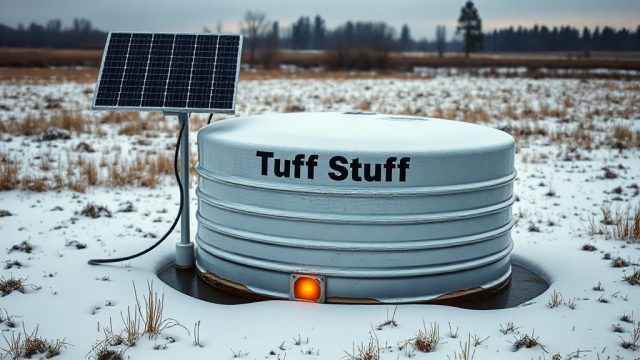
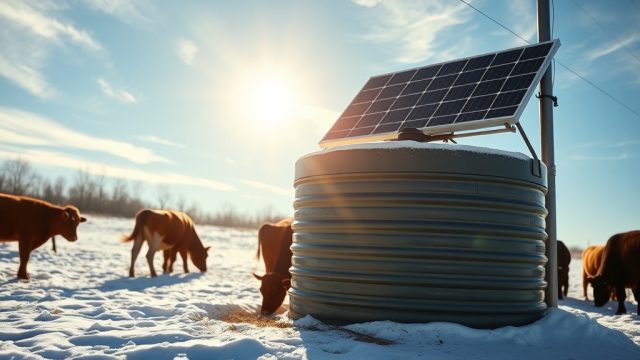
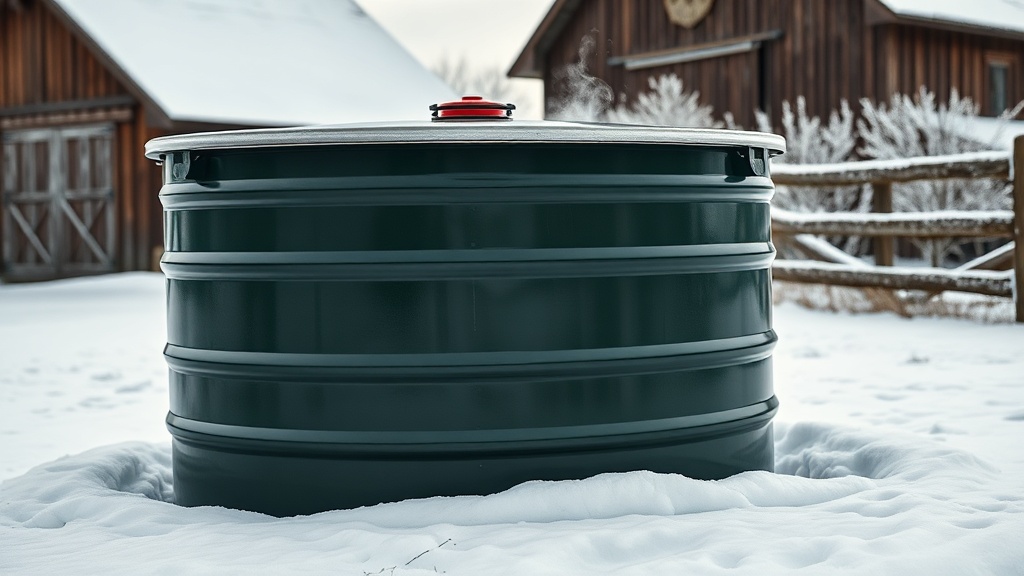
When winter temperatures plummet, the Tuff Stuff 200-Gallon Stock Tank faces a serious challenge: ice formation that can crack the heavy-duty polyethylene and disrupt your livestock’s water supply. Protecting this investment requires a strategic approach to freeze prevention, from choosing the right heater to insulating the tank walls. In this guide, you will learn the essential steps to keep your Tuff Stuff 200-gallon stock tank flowing all season long, saving you repair costs and ensuring your animals stay hydrated.
Why Does Freezing Damage the Tuff Stuff 200-Gallon Stock Tank?
Freezing water expands by about 9% in volume, exerting immense pressure on the walls of any container. The Tuff Stuff 200-gallon stock tank is made from UV-inhibited polyethylene, which is durable but not immune to ice expansion. When water freezes completely, it can create hairline cracks or deform the tank’s shape, leading to leaks. Additionally, if ice forms around the drain plug or float valve, it can damage these components. The tank’s large surface area—roughly 60 inches in diameter—means it loses heat quickly, accelerating freezing in subzero conditions. Proper winterizing is not optional; it is a matter of preserving the tank’s structural integrity.
What Is the Best Heater for a Tuff Stuff 200-Gallon Stock Tank?
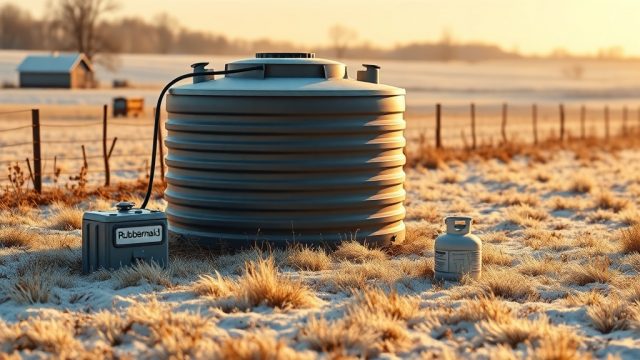
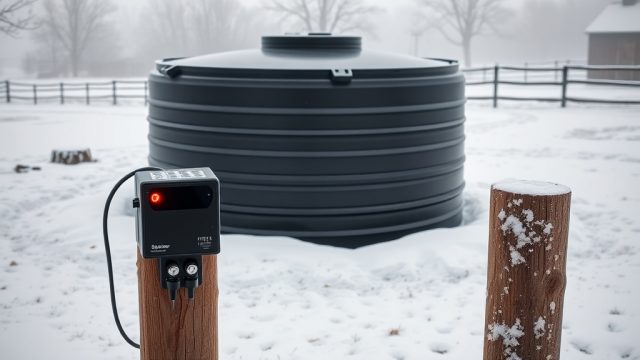
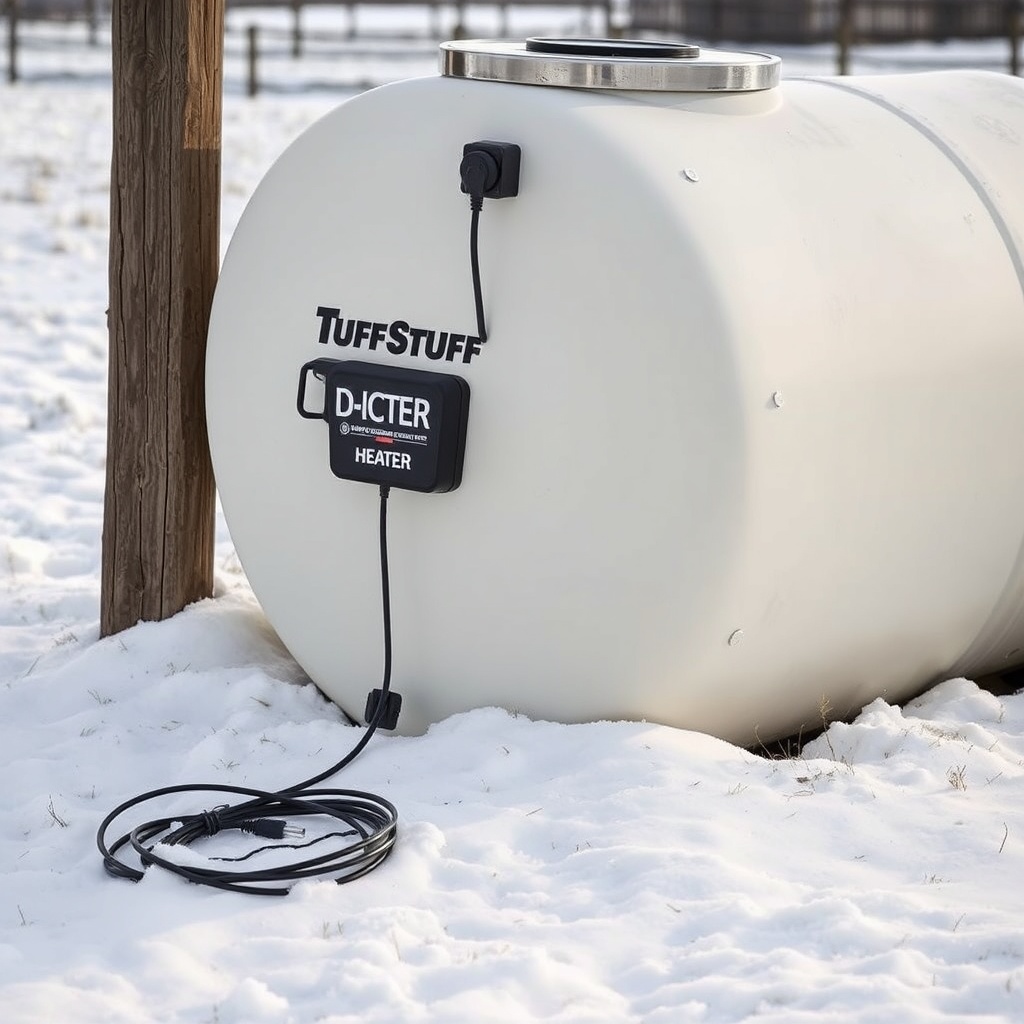
Selecting the right heater depends on your climate and power availability. For the Tuff Stuff 200-gallon stock tank, a 1500-watt de-icer or a thermostatically controlled floating heater is recommended. Submersible heaters work well because they maintain water temperature just above freezing without overheating. Look for models with automatic shut-off and stainless steel elements to resist corrosion. In extremely cold regions (below -20°F or -29°C), consider a high-wattage heater (2000 watts) or a combination of a heater and a tank cover. The table below outlines common heater types and their suitability:
| Heater Type | Wattage | Best For | Approx. Cost (USD) |
|---|---|---|---|
| De-icer (floating) | 1500 W | Temperatures down to -10°F (-23°C) | $80–$120 |
| Submersible thermostat | 1000–1500 W | Moderate winters (above -5°F/-21°C) | $60–$100 |
| High-efficiency bucket heater | 2000 W | Extreme cold (below -20°F/-29°C) | $100–$150 |
| Solar-powered heater (auxiliary) | 300–500 W | Supplemental use in sunny winters | $150–$250 |
Whichever heater you choose, ensure it is fully submerged and plug into a GFCI-protected outlet to prevent electrical hazards. For a full step-by-step on winterizing, see How to Winterize Your Tuff Stuff 200-Gallon Stock Tank.
How to Insulate the Tuff Stuff 200-Gallon Stock Tank for Winter
Insulation reduces heat loss from the tank, making your heater work more efficiently. For the Tuff Stuff 200-gallon stock tank, wrap the exterior with rigid foam insulation boards (1-2 inches thick) or use a reflective bubble wrap layer. Cut the insulation to fit the tank’s cylindrical shape and secure it with zip ties or outdoor tape. Cover the top with a floating tank cover—a plastic dome or a heavy-duty canvas lid—to trap heat. Alternatively, you can bury the tank partially in the ground (if permitted by your setup) to benefit from geothermal heat. Never insulate the bottom completely, as some drainage is needed. For leveling tips that aid winter drainage, refer to Tuff Stuff 200-Gallon Stock Tank Installation: Tips for Leveling Ground.
Should You Use a Tank Heater or a Heating Element?
The choice between a tank heater (de-icer) and a heating element like a floating ring depends on your tank usage. A tank heater is ideal for continuous use in large volumes, as it keeps water moving and prevents ice from forming on the surface. A heating element, such as a submersible heating cable, can be placed along the tank’s interior wall for targeted warmth. For the Tuff Stuff 200-gallon stock tank, a 1500-watt submersible heater is often sufficient. However, if you have multiple tanks or need to save energy, a floating de-icer with a thermostat cycles on and off. Remember that the Tuff Stuff tank’s polyethylene material is safe with these heaters as long as they are not left exposed to the plastic. For alternative freeze prevention methods, explore Tuff Stuff 200-Gallon Stock Tank: Effective Algae Prevention Strategies—some algae-control methods can also reduce ice formation.
How to Prevent the Drain Plug from Freezing in a Tuff Stuff 200-Gallon Tank
The drain plug is a weak point for freezing. If water freezes around it, the plug may crack or become stuck. To prevent this, apply a light coat of silicone grease or plumber’s tape to the threads before winter. Install a foam or rubber gasket to seal it tightly. Alternatively, replace the factory plug with a threaded brass or stainless steel plug that resists corrosion and freezing. Position the tank so the drain faces downhill—this allows water to drain completely if the plug is loosened during partial thawing. For a complete installation guide, see Tuff Stuff 200-Gallon Stock Tank Installation: Complete Setup Guide.
What Owners Say About Winterizing the Tuff Stuff 200-Gallon Stock Tank
Farmers and ranchers who use the Tuff Stuff 200-gallon stock tank in cold climates consistently praise its durability but emphasize proactive winter care. John from Montana reports, “I used a 1500-watt de-icer and wrapped the tank in foam board. No cracks after three winters—even with -30°F nights.” Sarah in Wisconsin notes that the drain plug froze the first year, so she switched to a brass plug and hasn’t had issues since. Many owners recommend pairing the tank with a heavy-duty cover to reduce heat loss. A common tip: check the heater cord for gnawing by rodents during storage. For detailed cleaning techniques before winter, check How to Deep Clean Your Tuff Stuff 200-Gallon Stock Tank: Step-by-Step Guide.
Frequently Asked Questions
Below are six common questions about freeze protection for the Tuff Stuff 200-gallon stock tank:
1. Can I use a standard bucket heater in a Tuff Stuff 200-gallon stock tank?
Yes, but ensure it is fully submerged and rated for the tank’s water volume. A 1500-watt bucket heater works, but a submersible de-icer is more efficient for 200 gallons.
2. Will insulating the tank reduce the need for a heater?
Insulation alone won’t prevent freezing in sustained sub-zero weather, but it can reduce energy use by 20-30%. Always use a heater in freezing climates.
3. How do I drain the Tuff Stuff 200-gallon stock tank before a deep freeze?
Open the drain plug when temperatures are above freezing. Tilt the tank slightly to remove residual water. Store the plug in a dry place to prevent ice damage.
4. What kind of cover works best for the Tuff Stuff 200-gallon stock tank?
A floating plastic dome or a heavy-duty insulated tank cover with a central opening for the heater. Avoid canvas covers that absorb moisture and freeze.
5. Can the tank crack if only a thin layer of ice forms?
Thin ice (<1 inch) usually does not cause cracking, but repeated freeze-thaw cycles can stress the polyethylene. Use a heater or de-icer to prevent any ice from forming.
6. Is it safe to use a metal tank heater in the Tuff Stuff plastic tank?
Yes, as long as the heater is fully submerged and doesn’t contact the plastic walls when hot. Follow the manufacturer’s instructions for immersion depth.