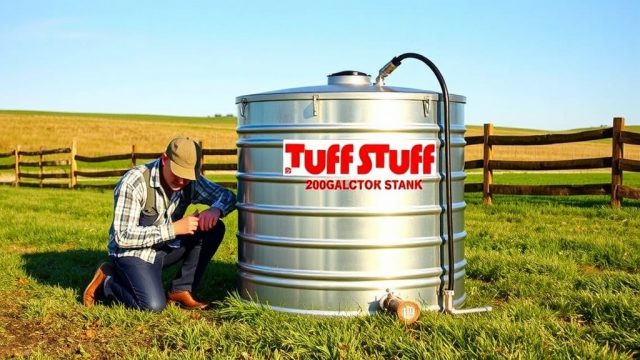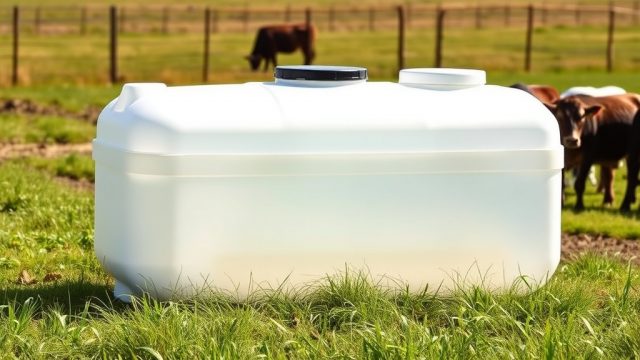
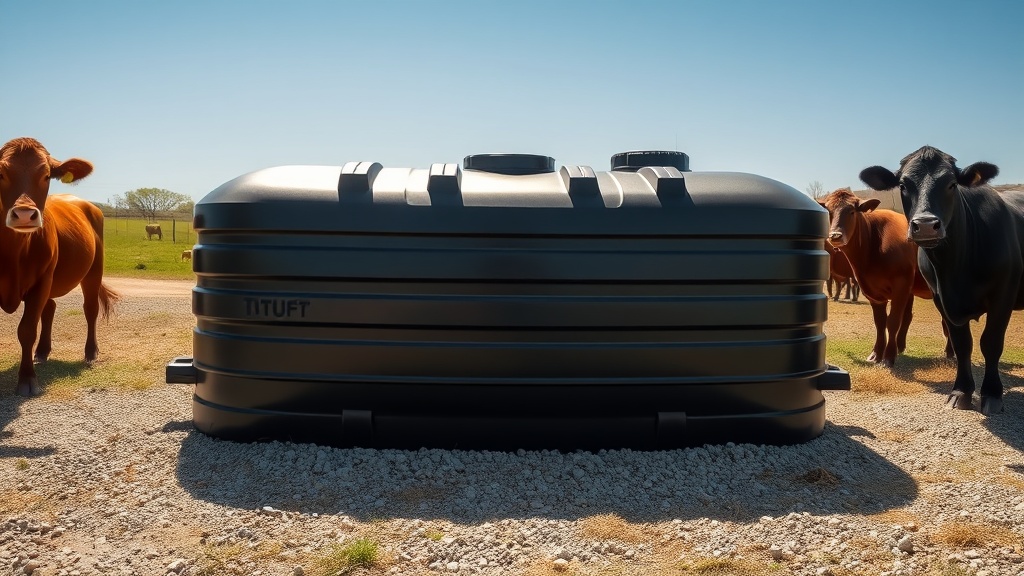
How to Deep Clean Your Tuff Stuff 200-Gallon Stock Tank: Step-by-Step Guide
Maintaining a clean water supply in your Tuff Stuff 200-gallon stock tank is essential for the health of your livestock and the longevity of the tank itself. Over time, algae, sediment, and organic debris can accumulate, creating a breeding ground for bacteria and compromising water quality. This guide provides a comprehensive, step-by-step approach to deep cleaning your tank, ensuring it remains a safe and reliable hydration source for your animals year-round.
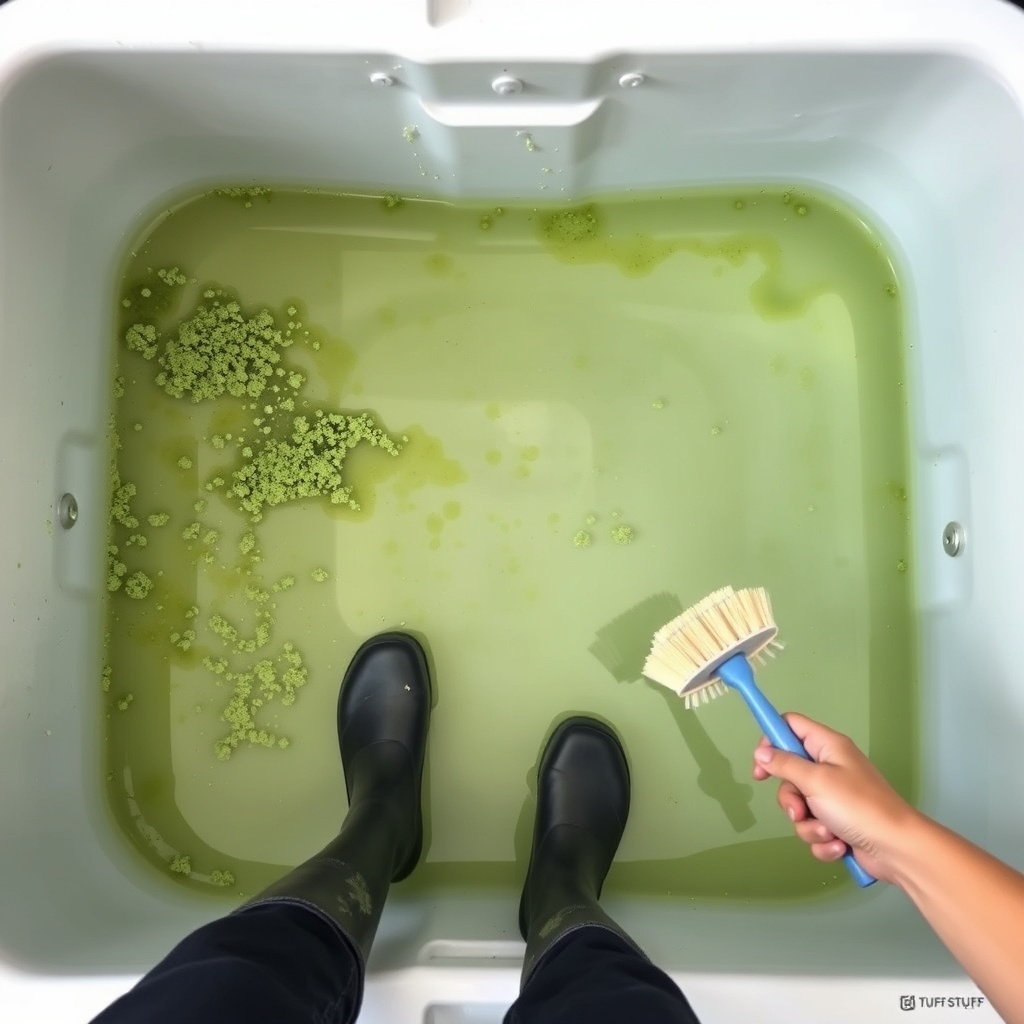
Why Deep Cleaning Your Tuff Stuff 200-Gallon Stock Tank is Critical for Livestock Health
Routine cleaning of your Tuff Stuff tank isn’t just about aesthetics—it directly impacts herd health. Stale water harbors pathogens like E. coli and Leptospira, which can cause scours in calves and mastitis in dairy cows. Algae, while generally not toxic, can produce off-flavors that reduce water intake, leading to dehydration and decreased milk production. Deep cleaning every 4-6 weeks removes biofilm buildup that chlorine alone cannot eliminate. If you’re facing persistent algae issues, our companion article on effective algae prevention strategies offers additional insights.
What Supplies Do You Need to Deep Clean a Tuff Stuff 200-Gallon Stock Tank?
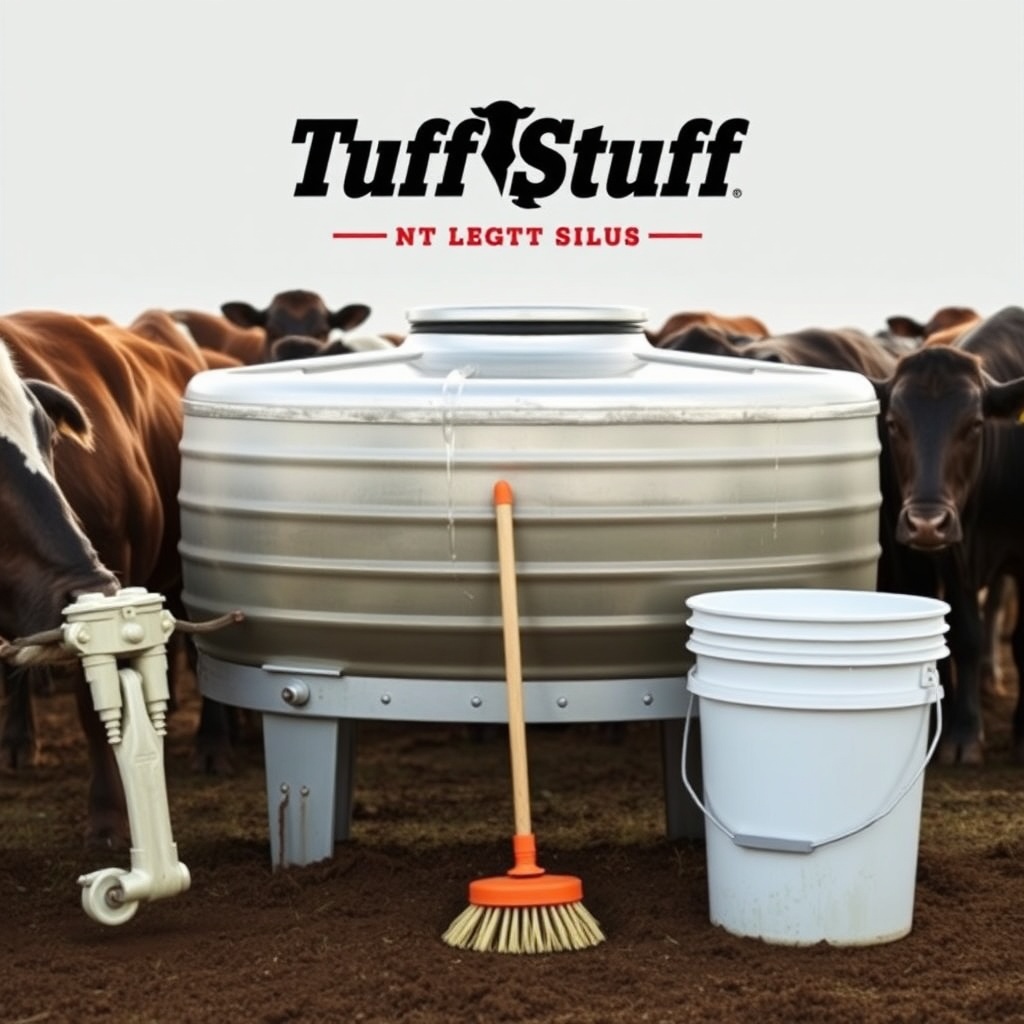
Before you drain the tank, gather the following essentials. Using the wrong cleaner can damage the polyethylene material or leave harmful residues.
- Scrub brush: A long-handled, stiff-bristle brush reaches the bottom and corners without straining your back.
- Non-toxic cleaner: White vinegar (1 gallon) or a livestock-safe tank cleaner (e.g., Microbe-Lift). Avoid bleach—it can degrade the plastic over time.
- Garden hose with spray nozzle: High-pressure rinse for stubborn deposits.
- Rubber gloves and boots: Protects from cold water and cleaning agents.
- Bucket and shop vacuum (optional): For removing sludge if you have a drain plug.
- Scouring pad: For interior walls near the waterline where mineral scale forms.
For tanks situated on uneven ground, consider reviewing leveling tips before refilling to ensure proper drainage during future cleanings.
Step-by-Step: How to Drain and Remove Debris from Your Tuff Stuff Tank
Follow these steps methodically to avoid damaging the tank wall or leaving residue.
Step 1: Disconnect Water Supply and Drain Tank
Turn off the float valve or disconnect the hose. If your Tuff Stuff tank has a bottom drain plug, open it over a gravel bed or away from manure piles to prevent runoff issues. For tanks without a drain, tilt the tank slightly (with the help of a second person or a pry bar) to pour out the water. A 200-gallon tank weighs about 1,660 pounds when full—work only with ample assistance.
Step 2: Remove Large Debris
Use a net or scoop to extract leaves, hay, and dead insects. This prevents clogs and reduces organic load during scrubbing.
Step 3: Scrub Interior Walls and Bottom
Apply your chosen cleaner (a 1:3 vinegar-to-water solution works well) directly to the tank surface. Scrub vigorously, focusing on the waterline ring where calcium deposits and algae anchor. For the Tuff Stuff 200-gallon tank’s rounded corners, use a smaller brush to reach crevices.
Pro Tip: If you own livestock prone to lameness, ensure no soap or chemical residue remains—rinse the tank three times before refilling.
Step 4: Rinse Thoroughly and Refill
Spray the interior with a high-pressure nozzle until all suds and grit are gone. Fill the tank with fresh water and add a livestock-safe water conditioner if your source has high mineral content.
What Are the Best Cleaning Products for Tuff Stuff 200-Gallon Tanks?
Not all cleaners are created equal. The table below compares common options based on effectiveness, safety, and cost for a 200-gallon tank.
| Product | Type | Effectiveness for Algae | Safety for Livestock | Cost Range (per cleaning) | Notes |
|---|---|---|---|---|---|
| White Vinegar (1:3 solution) | Acid | Moderate | High (food-grade) | $1.50 – $3.00 | Great for mineral scale; requires multiple rinses |
| Microbe-Lift TANK CLEAN | Enzymatic | High | High (biodegradable) | $8.00 – $12.00 | Breaks down organic sludge; no scrubbing needed for light buildup |
| Household Bleach (diluted 1:10) | Chlorine | Very High | Moderate (toxic if not rinsed) | $0.50 – $1.00 | Can damage plastic over time; use sparingly |
| Livestock Tank Cleaner (OTC) | Quaternary ammonium | High | High (when used per label) | $5.00 – $10.00 | Specific for algae and biofilm; leave-in formula varies |
Note: Always follow manufacturer instructions. For tanks installed in areas with freeze risk, see our guide on winterizing strategies to avoid damage during sub-freezing months.
How Often Should You Deep Clean a Tuff Stuff 200-Gallon Stock Tank?
Frequency depends on your environment and livestock density. General guidelines:
- Hot climates (above 85°F): Every 3-4 weeks, as algae grows faster and water evaporates quickly, concentrating minerals.
- Moderate climates: Every 5-6 weeks during peak grazing season, less in winter when intake drops.
- High stocking density (more than 20 head per tank): Every 2-3 weeks due to increased fecal contamination and sediment from feed and dirt.
- Signs it’s time: Visible green or brown streaks on interior walls, cloudy water, or decreased drinking activity by your stock.
Deep cleaning complements routine maintenance like daily skimming and weekly water level checks. For a complete maintenance schedule, refer to our installation and setup guide that includes ongoing care tips.
What Owners Say About Deep Cleaning the Tuff Stuff 200-Gallon Stock Tank
Livestock owners across the U.S. consistently praise the Tuff Stuff 200-gallon tank’s smooth interior, which makes scrubbing easier than with galvanized alternatives. Sarah J., a sheep farmer in Montana, notes, “I used to dread cleaning my tank, but the Tuff Stuff’s rounded corners mean I can get every bit of gunk out in under an hour.” Texas cattle rancher Mark D. adds, “Even with our hard water, the plastic doesn’t stain as badly as metal. I use vinegar mostly, but once a year I break out the heavy-duty cleaner.” However, some owners caution against using pressure washers too close to the tank rim, as the polyethylene can crack if overly stressed. Many recommend performing deep cleanings on a warm day to prevent the plastic from becoming brittle in cold weather.
Frequently Asked Questions
Can I use a pressure washer to clean my Tuff Stuff 200-gallon stock tank?
Yes, but exercise caution. Use a wide-angle nozzle (25 degrees or wider) and keep the spray at least 18 inches from the tank surface. High-pressure narrow jets can gouge or crack the polyethylene, especially around the drain plug area. Hand scrubbing is safer for routine cleans.
How do I remove calcium buildup from my Tuff Stuff tank?
White vinegar is most effective. Apply undiluted vinegar directly to the white scale and let it sit for 10-15 minutes before scrubbing with a stiff brush. For stubborn deposits, mix baking soda into a paste with vinegar and apply. Avoid metal scrapers that can scratch the plastic.
Is it normal for the water to smell musty after cleaning?
No—a musty odor indicates biofilm or algae remnants. Rinse the tank again with fresh water and add a few drops of livestock-safe water conditioner (like Stress Coat). If the smell persists, perform a second cleaning with a diluted bleach solution (1 cup per 10 gallons of water) and triple-rinse afterward.
Can I deep clean the tank while it’s still partially full?
Not effectively. Draining the tank completely allows you to remove settled sludge and scrub all surfaces without contamination. If water conservation is a concern, drain only 75% and use the remaining water for irrigation or to fill a portable trough temporarily.
How do I prevent algae from returning quickly after cleaning?
After deep cleaning, place the tank in full sun (algae grows slower in shaded areas? Actually, sunlight promotes algae—use a tank cover or shade cloth). Add a floating ball or aquatic plant like water hyacinth to compete for nutrients. For ongoing control, read our full guide on algae prevention strategies.
What if my Tuff Stuff tank cracks during cleaning?
Polyethylene is durable but can crack if subjected to extreme temperature changes or physical stress. Minor cracks may be repaired with a hot air welding kit or polyethylene patch. For structural cracks, replacement is safer to prevent leaks. Always ensure your tank is properly supported—level ground is key, as covered in our installation tips.