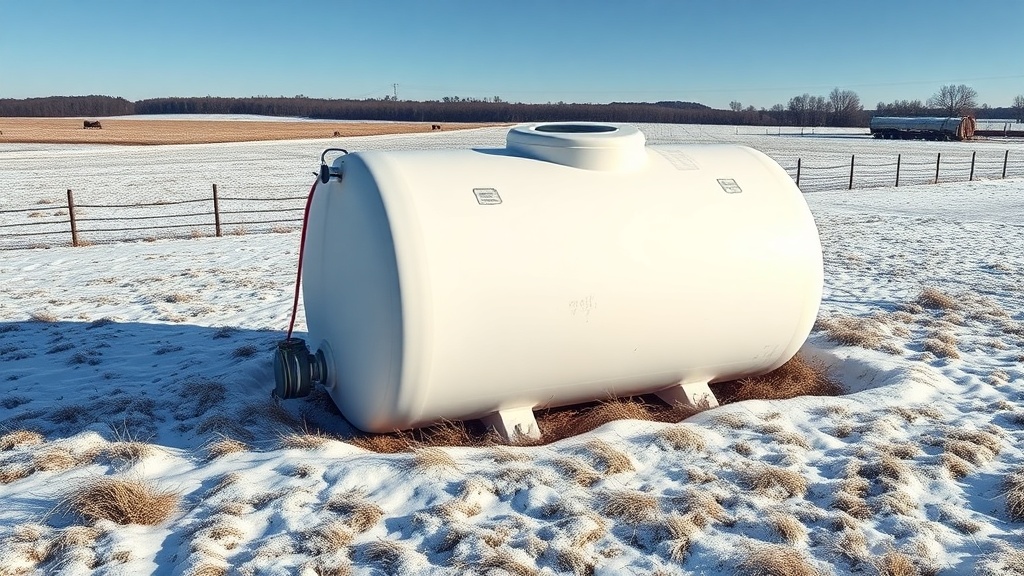
Rubbermaid 100-Gallon Stock Tank Freeze Prevention: Effective Tips for Cold Climates
When winter descends on the farm, keeping water flowing in your Rubbermaid 100-Gallon Stock Tank becomes a critical task. Ice formation not only denies livestock access to hydration but can also damage the tank itself, leading to costly repairs. This article provides practical, field-tested strategies to prevent freezing and ensure your animals have clean water even in the harshest conditions.
Why Does My Rubbermaid 100-Gallon Stock Tank Freeze Faster Than Metal Tanks?
The structural characteristics of the Rubbermaid 100-Gallon Stock Tank contribute to its freezing behavior. Made from heavy-duty polyethylene, this material offers excellent insulation compared to metal tanks, but it still loses heat to the environment. The tank’s large surface area and relatively shallow depth—about 20 inches—mean the water volume can cool quickly when ambient temperatures drop below 32°F (0°C). Additionally, the dark color of many Rubbermaid tanks can absorb solar heat during the day but also radiate it away at night. Compared to a galvanized tank, the plastic surface is less conductive, so ice formation may occur more slowly but still requires proactive measures once temperatures plummet consistently below freezing.
Which De-icing Method Is Best for the Rubbermaid 100-Gallon Stock Tank?
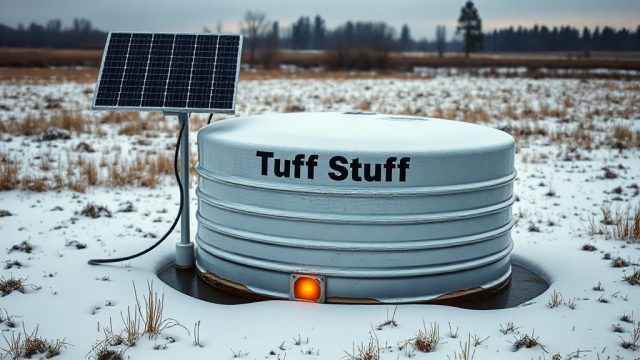
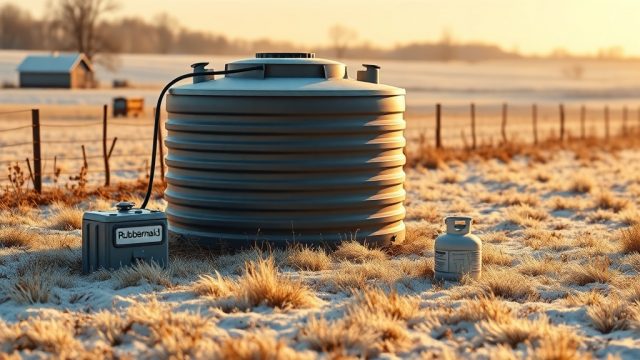
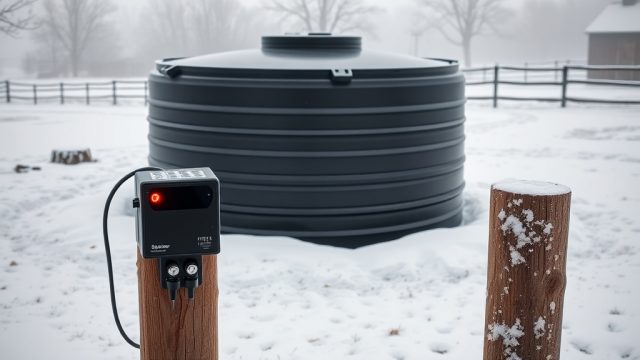
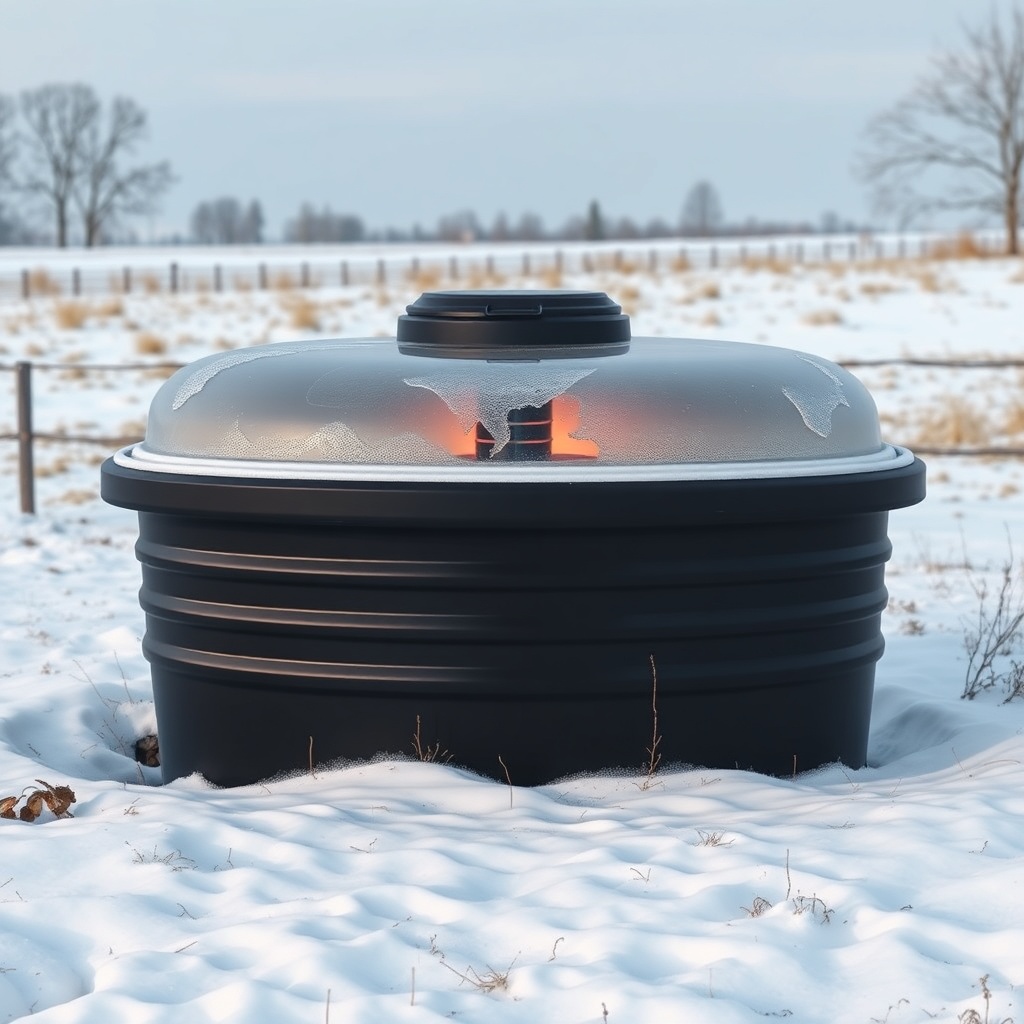
Selecting the right de-icing approach depends on your climate, budget, and livestock needs. Electric tank heaters are the most reliable for extreme cold, designed specifically for plastic tanks to avoid melting or fire risk. Floating heaters or submersible units with thermostats that activate below 40°F work well. A second popular method is using a tank de-icer with a built-in thermostat—costing between £40 and £80—and insulated covers to reduce heat loss. For remote areas without power, consider using a propane-powered stock tank heater, though these require ventilation and regular fuel checks. As part of your winterizing plan, ensure any heater is rated for the 100-gallon volume to maintain an open hole for drinking. Regardless of the method, always follow manufacturer guidelines to prevent damage to the tank. For more on tank maintenance, see our Rubbermaid 100-Gallon Stock Tank Repair Guide: Fixing Common Leaks and Cracks.
How Do I Properly Insulate My Rubbermaid 100-Gallon Stock Tank for Winter?
Insulation is a cost-effective way to slow heat loss from the water. Start by placing a fitted foam board insulation beneath the tank to isolate it from the cold ground—polystyrene sheets 2 inches thick work well and cost roughly £15 for a 4×8-foot sheet. Wrap the tank’s exterior with reflective insulation or fiberglass wrap, securing it with tape or straps. A more advanced solution is to build an insulated enclosure around the tank, leaving the top open for animal access. This can reduce heating costs by up to 50 percent. Additionally, use a floating insulated cover that fits around the heater to trap warm air above the water surface. For those dealing with algae issues that worsen in fall, refer to our guide on Rubbermaid 100-Gallon Stock Tank Algae Control: Effective Prevention and Treatment Methods before winter sets in.
What Are the Costs and Benefits of Different Freeze Protection Options?
Understanding the upfront and ongoing expenses helps you make an informed decision. Below is a comparison of common freeze protection systems for a Rubbermaid 100-Gallon Stock Tank.
| Method | Upfront Cost | Annual Operating Cost | Effectiveness at -10°F (-23°C) | Key Benefit |
|---|---|---|---|---|
| Floating electric de-icer (500W) | £50–£70 | £90–£130 | High (maintains open water) | Reliable, automatic thermostat |
| Submersible tank heater (1,000W) | £60–£100 | £150–£200 | Very high | Works well in deep ice |
| Propane heater (portable) | £80–£120 | £60–£100 (fuel) | Medium (needs wind protection) | No electricity required |
| Insulation + solar cover | £30–£60 | £0 (passive) | Low (slows freezing only) | Reduces heater runtime |
| Manual breaking (daily) | £0 | Labour cost | Low (requires twice-daily effort) | No equipment needed |
Electric heaters are the most consistent option for severe winters, while insulation alone is best for milder climates or as a supplementary measure. Always choose heaters with automatic shutoffs and anti-chew cords to protect both livestock and your tank.
How Can I Position My Rubbermaid 100-Gallon Stock Tank to Minimize Freezing?
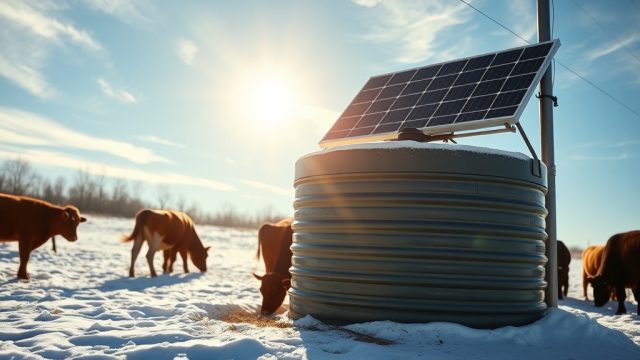
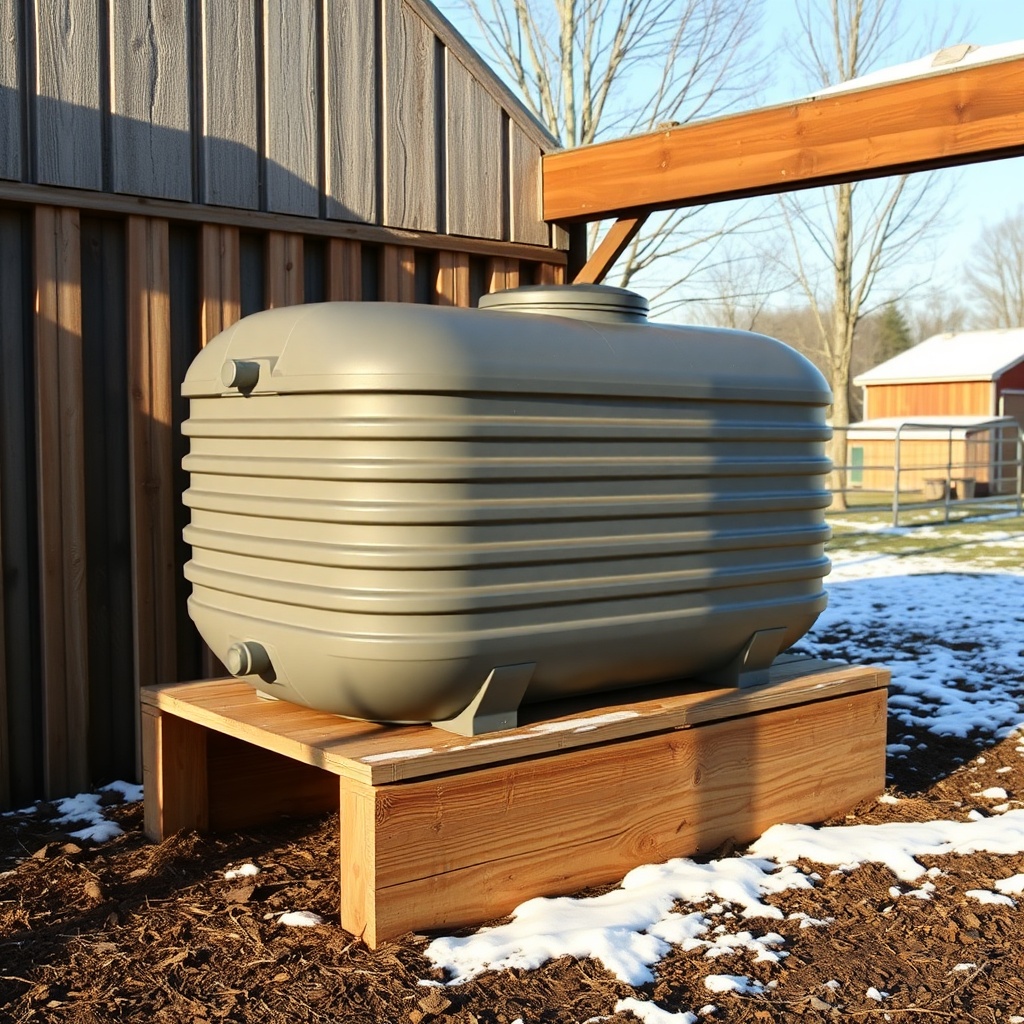
Strategic placement of the tank can significantly reduce winter challenges. Install the tank in a location that receives full sunlight during the day—south-facing in the northern hemisphere—to maximize natural solar heating. Avoid placing it in a wind-tunnel area; instead, shelter the tank behind a barn wall, fence, or windbreak of hay bales. Elevating the tank on a platform of cinder blocks or wooden pallets improves drainage and prevents the bottom from sitting on frozen ground, which wicks heat away. Also, ensure the tank is level to maintain proper heater function. For farm managers with livestock rotation, consider our Moving Your Rubbermaid 100-Gallon Stock Tank: Portability Options and Tips to reposition the tank during spring thaw.
What Routine Maintenance Prepares the Tank for Freezing Temperatures?
Before the first hard frost, inspect your Rubbermaid 100-Gallon Stock Tank for cracks, loose fittings, or weakened areas. Drain and clean the tank thoroughly, removing any debris that could freeze and cause stress points. Check the drain plug—if it’s plastic, consider upgrading to a brass or stainless steel replacement to avoid snapping in the cold. Install a heater or de-icer two weeks before freezing temperatures are forecast, testing it to ensure proper operation. During winter, check daily for ice buildup around the heater, and adjust the thermostat if needed. Additionally, maintain water quality to prevent mineral deposits that can reduce heater efficiency. For ongoing care, consult our Rubbermaid 100-Gallon Stock Tank Water Quality Maintenance: Tips for Clean and Safe Water to balance winter hydration needs.
What Owners Say About Winterizing the Rubbermaid 100-Gallon Stock Tank
Experienced farmers and ranchers have shared practical insights from their own winters. Many praise the durability of the plastic tank compared to older metal models, noting it doesn’t rust or leach chemicals. One cattle producer in Yorkshire reported using a 500W floating de-icer and a foam board base, keeping water open through -5°C conditions. A horse owner in Montana mentioned that adding a heavy-duty insulated cover reduced electricity costs by 30 percent. Another common tip: placing a layer of floating balls or a large, flat log on the surface (if no heater is used) can slow ice formation by creating a barrier. However, a cautionary note from several users: always ensure the heater cord is protected with a heavy-duty extension cord rated for outdoor use to prevent tripping hazards and chewing. For those comparing options, review our Rubbermaid 100-Gallon vs. Tuff Stuff 200-Gallon Stock Tank: Which Is Right for You? to see if a different size fits your winter needs better.
Frequently Asked Questions
Q1: Can I use a stock tank heater with my Rubbermaid 100-Gallon Stock Tank?
A: Yes, provided the heater is rated for plastic tanks. Choose a model with a built-in thermostat to avoid overheating. Ensure the heater is submerged and not touching the tank walls.
Q2: How often should I check the water during freezing weather?
A: At least twice daily—morning and evening—especially if temperatures drop below 0°F (-18°C). Confirm the heater is operational and the opening is clear of ice.
Q3: What should I do if the tank freezes solid?
A: Never use sharp tools to break ice, as this can puncture the plastic. Use a rubber mallet to gently tap the ice or pour warm (not boiling) water over the surface. A submersible heater can gradually thaw the tank over a few hours.
Q4: Are there non-electric freeze prevention methods?
A: Yes, you can use a tank cover, insulated wrap, or placing a ball of frosted plastic bottles on the surface (the bottles float and prevent solid ice). However, these are less effective in prolonged deep freezes.
Q5: Can I leave the heater on all winter?
A: Yes, if it is a thermostatically controlled model. It will only run when the water temperature nears freezing. Unplug it when ambient temperatures rise above 40°F (4°C) to extend its lifespan.
Q6: How do I protect the heater cord from livestock?
A: Bury the cord in hard plastic conduit or use wire protection sleeves. Ensure it is secured out of reach of water troughs and animals. Use a heavy-duty extension cord (12-gauge or thicker) rated for 15 amps.