
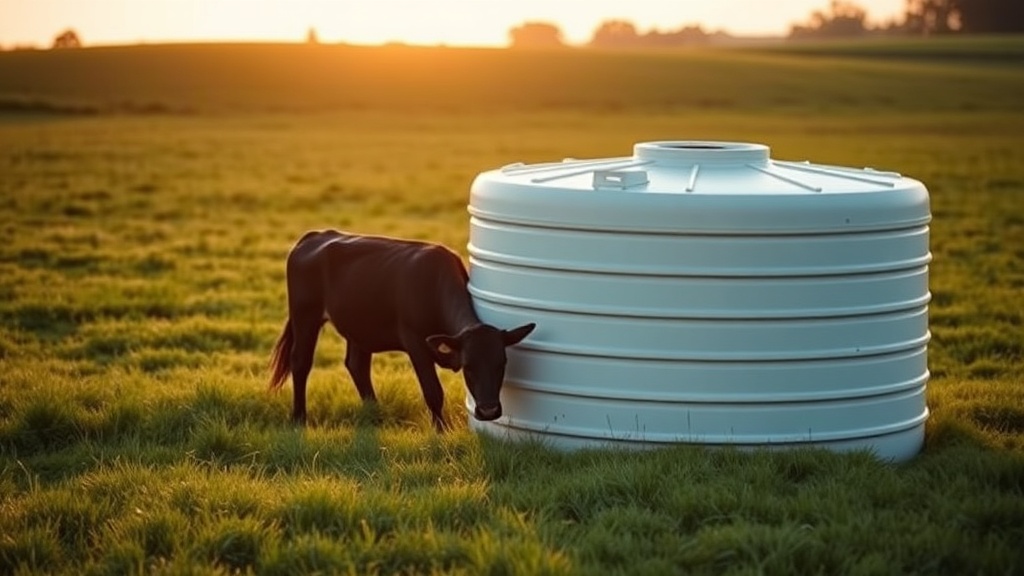
Rubbermaid 100-Gallon vs. Tuff Stuff 200-Gallon Stock Tank: Which Is Right for You?
Selecting the right stock tank for your livestock operation or homestead can be a pivotal decision, impacting both water quality and daily management. Two heavyweight contenders dominate the market: the versatile Rubbermaid 100-Gallon Stock Tank and the robust Tuff Stuff 200-Gallon Stock Tank. This comparison will dissect their key differences, from material and durability to capacity and cost, helping you decide which tank aligns best with your herd size and budget.
What Are the Key Material and Durability Differences?
The Rubbermaid 100-Gallon Stock Tank is constructed from high-density polyethylene (HDPE), a plastic known for its UV resistance and ability to withstand impacts without rusting or corroding. It’s lightweight, typically weighing around 25 pounds, and resists cracking in freezing temperatures if not fully frozen. In contrast, the Tuff Stuff 200-Gallon Stock Tank is built from galvanized steel, offering exceptional strength and puncture resistance. However, steel is vulnerable to rust over time, especially if the galvanization is scratched or exposed to acidic water, and it can dent under heavy pressure.
For detailed insights into polyethylene versus steel, explore Rubbermaid 100-Gallon Stock Tank Material Review: Polyethylene vs. Steel. The Rubbermaid’s plastic is easier to move and won’t conduct heat as readily, keeping water cooler in summer—a critical factor for dairy cows in hot climates.
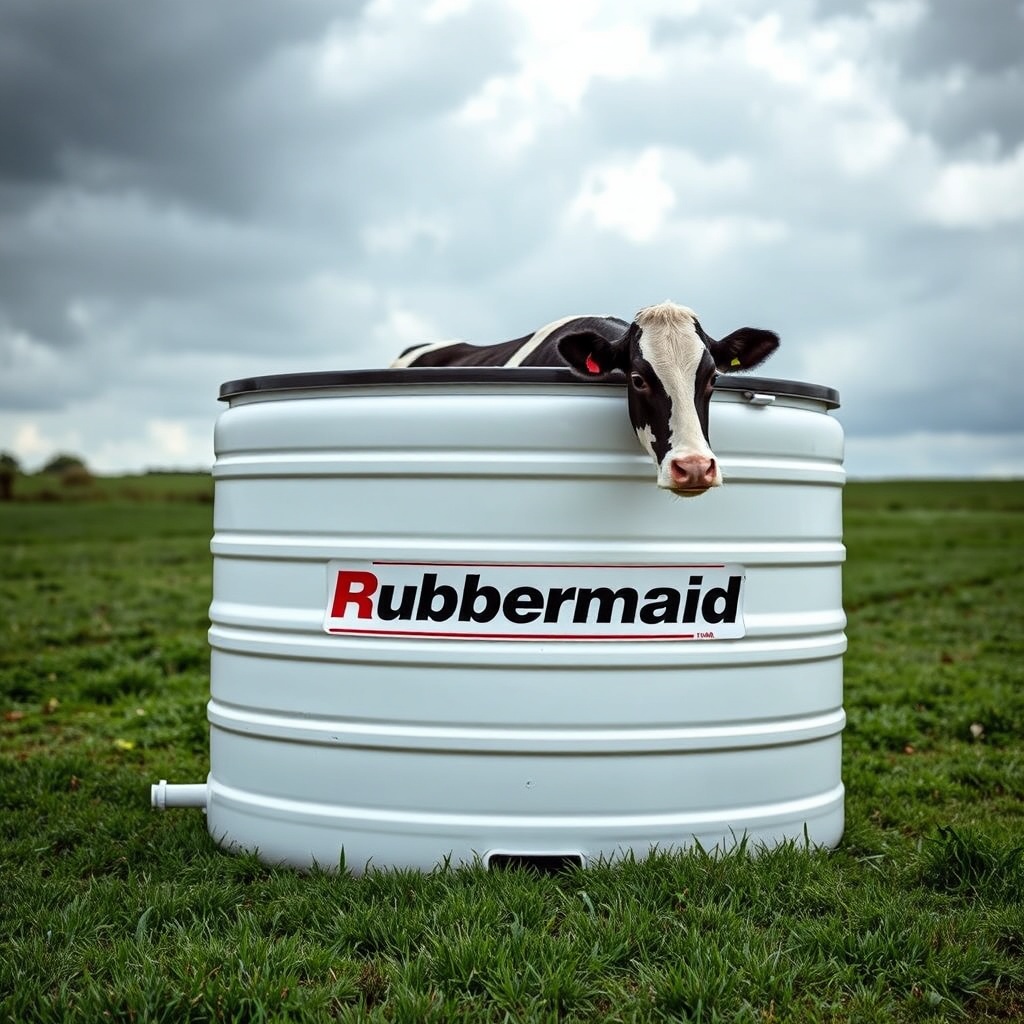
How Do Capacity and Size Compare for Your Herd?
The Rubbermaid 100-Gallon Stock Tank measures approximately 54 inches in diameter and 16 inches in depth, ideal for up to 10–15 adult cattle or 15–20 sheep. The Tuff Stuff 200-Gallon, typically 60 inches by 20 inches, doubles the volume, accommodating 25–35 cattle or a larger flock. Consider your daily water consumption: a mature beef cow drinks 8–15 gallons per day, so a 100-gallon tank may require refilling twice daily during peak summer heat, while a 200-gallon tank offers a buffer.
- Rubbermaid 100-Gallon: Best for small farms or rotational grazing systems. easy to tip for cleaning.
- Tuff Stuff 200-Gallon: Suited for large herds or remote locations with infrequent access; heavier at over 100 pounds.
What Is the Price Difference and Value Proposition?
Pricing varies by retailer, but as of early 2025, the Rubbermaid 100-Gallon Stock Tank typically retails between £150 and £200 in the UK, or $180–$250 USD. The Tuff Stuff 200-Gallon commands a higher price, often £300–£400 ($360–$500 USD), reflecting its larger capacity and metal construction. However, the Rubbermaid’s lower upfront cost must be weighed against potential replacement every 5–7 years if exposed to heavy use or UV damage, while a well-maintained Tuff Stuff tank can last 10–15 years before needing repairs.
| Feature | Rubbermaid 100-Gallon | Tuff Stuff 200-Gallon |
|---|---|---|
| Material | HDPE (Polyethylene) | Galvanized Steel |
| Capacity | 100 gallons (380 litres) | 200 gallons (760 litres) |
| Weight | ~25 lbs (11 kg) | ~110 lbs (50 kg) |
| Typical Price (USD) | $180–$250 | $360–$500 |
| Rust Resistance | Excellent | Moderate (prone to scratches) |
| Insulation | Good (slower heat transfer) | Poor (hot in sun, cold in winter) |
| Ease of Movement | Easy (one person) | Difficult (requires assistance) |
Which Stock Tank Handles Algae and Water Quality Better?
Algae growth is a common nuisance, and both tanks require management. The Rubbermaid’s dark plastic can absorb heat, potentially warming water and promoting algae if not shaded. However, its non-porous surface resists biofilm adherence. The Tuff Stuff’s metal reflects some heat but can develop mineral deposits over time. For both, consistent cleaning is key. Dive deeper into solutions at Rubbermaid 100-Gallon Stock Tank Algae Control: Effective Prevention and Treatment Methods.
Water quality maintenance also differs. Rubbermaid tanks are easier to scrub and rinse due to their smooth interior. The Tuff Stuff’s galvanized coating can leach zinc into water slightly, though this is generally safe for livestock. For tips on ensuring clean water, see Rubbermaid 100-Gallon Stock Tank Water Quality Maintenance: Tips for Clean and Safe Water.
What Are the Maintenance and Repair Considerations?
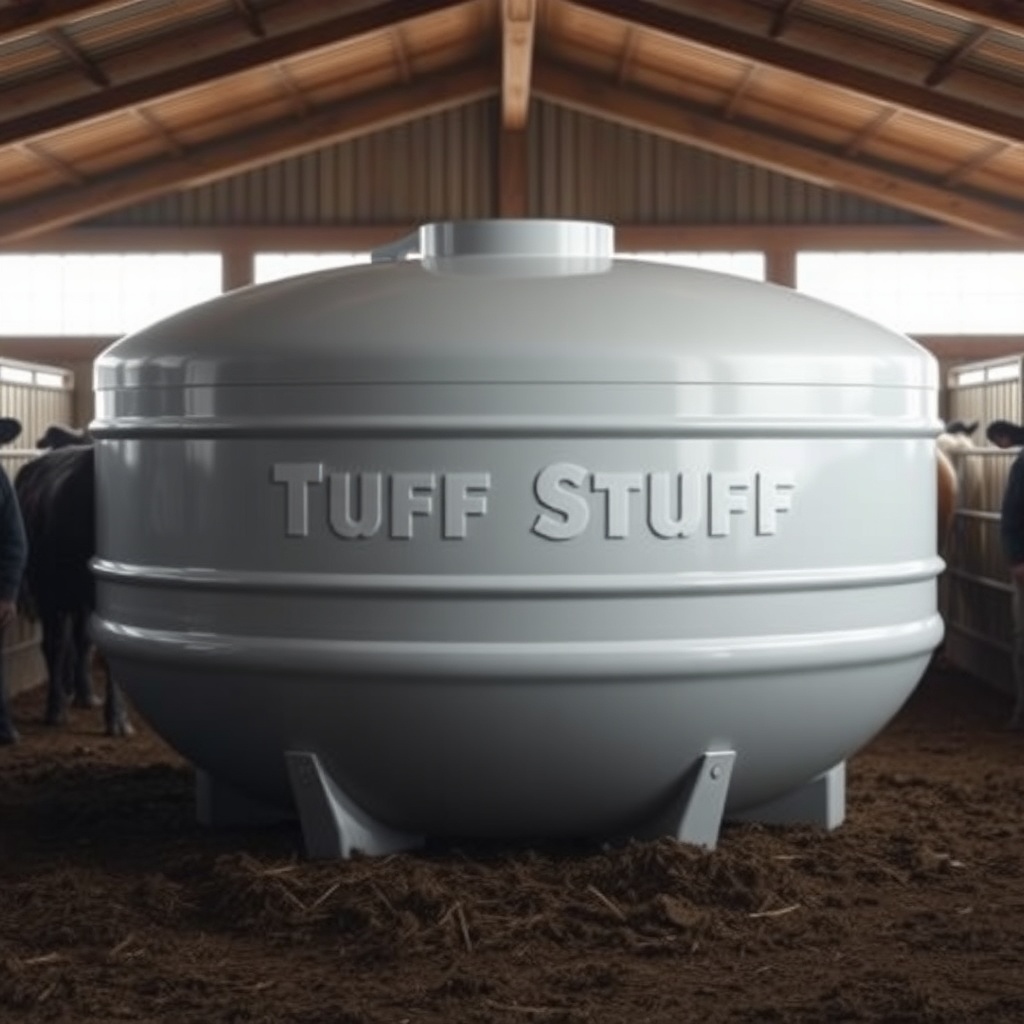
The Rubbermaid 100-Gallon is notoriously easy to maintain: simply dump, scrub with a brush, and rinse. Minor cracks can be repaired with plastic welding kits or epoxy putty. Because polyethylene is flexible, it withstands minor impacts without shattering. For detailed steps, refer to Rubbermaid 100-Gallon Stock Tank Repair Guide: Fixing Common Leaks and Cracks. The Tuff Stuff tank requires periodic checks for rust, especially around the bottom rim. Dents can be hammered out, but severe corrosion may need patching with metal patches or replacing entire sections.
What Owners Say
Farmers on forums like The Farming Forum and Reddit’s r/livestock praise the Rubbermaid 100-Gallon for its portability and ease of cleaning. One dairy farmer from Devon noted, “I can tip it over to scrub out algae in under 10 minutes, and it doesn’t dent like my old steel tank.” Conversely, Tuff Stuff fans appreciate the heft for permanent installations. A cattle rancher from Texas shared, “My Tuff Stuff 200-gallon survived a bull charging into it without a scratch—try that with plastic.” However, some owners report the steel tank’s weight makes winter setup a two-person job.
Frequently Asked Questions
1. Can the Rubbermaid 100-Gallon Stock Tank be used for horses?
Yes, but ensure it’s placed on a level surface and consider a heater in freezing climates to prevent cracking.
2. How do I prevent the Tuff Stuff 200-Gallon from rusting?
Apply a zinc-rich galvanizing spray on scratches and store it in a dry barn during off-seasons.
3. Does the Rubbermaid handle winter better than the Tuff Stuff?
Generally, yes—the plastic expands slightly without cracking, whereas steel can form ice expansion damage if de-icers fail.
4. What is the warranty on these tanks?
Rubbermaid offers a 1-year limited warranty against defects. Tuff Stuff provides a 5-year limited rust-through warranty.
5. Can I paint a Rubbermaid stock tank?
Yes, use a plastic-specific primer and outdoor paint, but avoid painting the interior to prevent chemical leaching.
6. Are these tanks compatible with automatic waterers?
The Rubbermaid 100-Gallon can be fitted with a float valve kit; the Tuff Stuff model often requires drilling for installation.