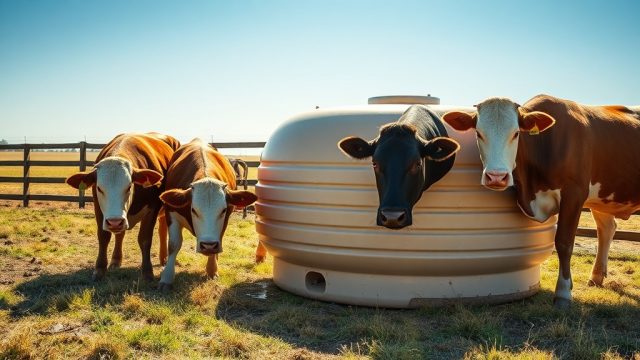
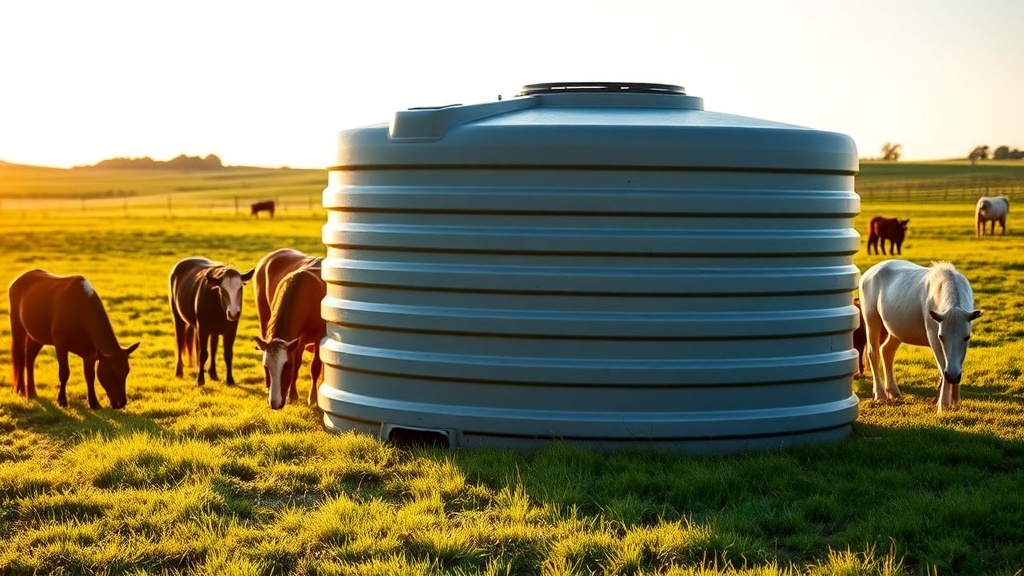
Introduction: Understanding the Rubbermaid 100-Gallon Stock Tank
The Rubbermaid 100-Gallon Stock Tank is a cornerstone of modern livestock management, offering a durable, non-corrosive water solution for farms and homesteads across the UK. With its structural foam construction and smooth interior, it stands as a practical alternative to traditional galvanised steel tanks, particularly for those prioritising animal safety and ease of cleaning. This guide provides a comprehensive breakdown of its dimensions, capacity in litres, and suitability for various livestock, helping you make an informed decision for your operation.
What Are the Exact Dimensions of the Rubbermaid 100-Gallon Stock Tank?
The Rubbermaid 100-Gallon Stock Tank measures 117 cm in diameter at the top, tapering to 106 cm at the bottom, with a height of 60 cm. These specifications make it a low-profile, wide-mouthed tank that minimises spillage while providing ample drinking space. The outer rim adds approximately 2.5 cm to the diameter, but the interior usable area remains consistent with the stated measurements. This design is intentional for seasonal considerations, as it allows multiple animals to drink simultaneously without overcrowding.
The weight of the tank itself is approximately 11.5 kg dry, increasing to around 420 kg when filled with water. Its structural foam material provides rigidity without the rust or denting issues common in steel tanks, making it a lightweight yet robust option for permanent or seasonal placement.
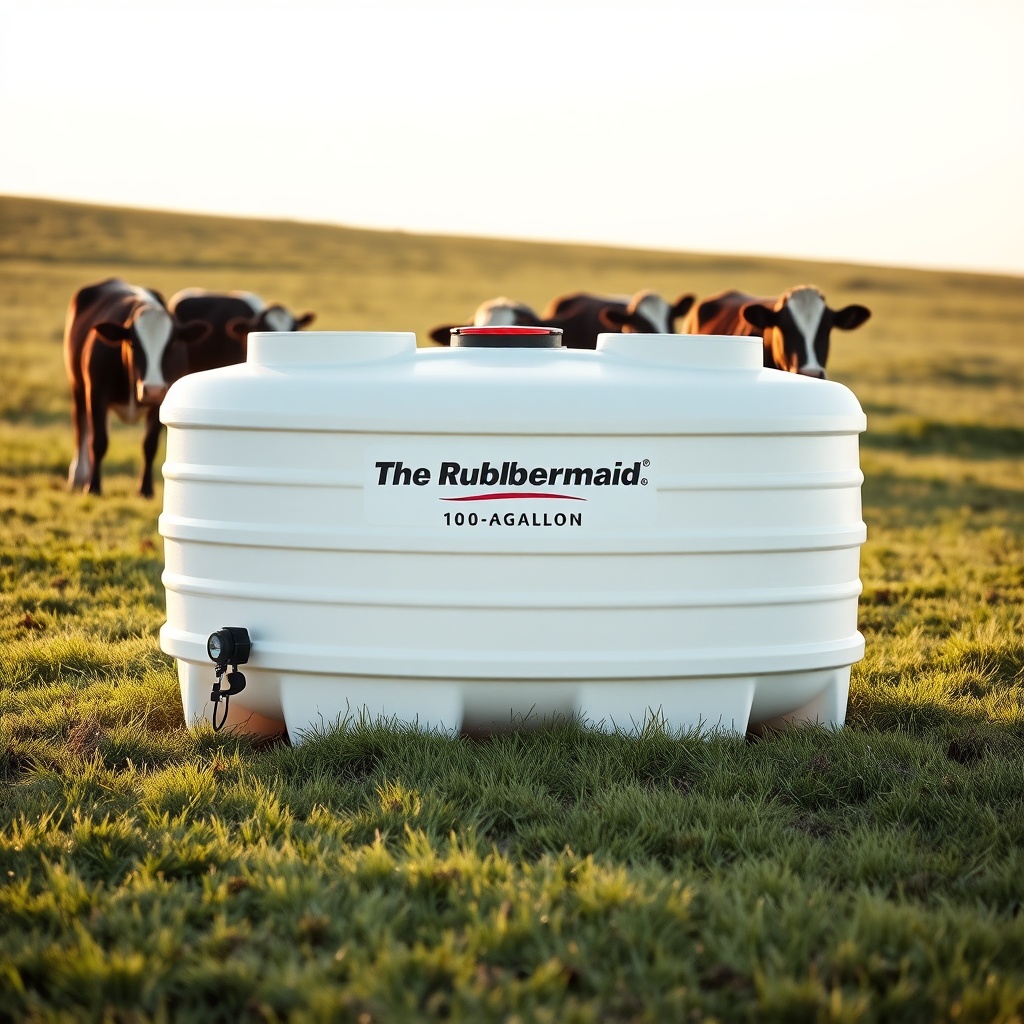
How Many Litres Does a Rubbermaid 100-Gallon Stock Tank Hold?
Converting the 100-gallon capacity to metric, the tank holds approximately 378.5 litres of water when filled to the brim. However, for practical livestock use, the recommended fill level is about 340 litres to prevent spillage when animals drink. This capacity is ideal for herds of moderate size, offering a reliable water supply without the need for constant refilling.
Below is a comparison table showing the tank’s capacity across different units and fill levels:
| Fill Level | Gallons (US) | Litres | Weight (kg) |
|---|---|---|---|
| Maximum (brim-full) | 100 | 378.5 | 378.5 |
| Recommended (livestock) | 90 | 340.7 | 340.7 |
| Half-full (winter) | 50 | 189.3 | 189.3 |
For operations in colder regions, reducing the fill level is a common strategy, but this requires freeze prevention tips to ensure water access remains uninterrupted. The 378.5-litre maximum capacity can sustain 15 to 20 adult cattle for a full day, depending on temperature and feed moisture content.
Is the Rubbermaid 100-Gallon Stock Tank Suitable for My Livestock?
This tank is designed primarily for cattle, horses, and large sheep flocks. Its 60 cm height is comfortable for adult cattle and horses to drink without straining, but smaller animals such as goats, pigs, or calves may require an elevated platform or ramp for safe access. The smooth interior surface reduces the risk of injury to tongues or muzzles, which is a significant advantage over galvanised tanks with rougher edges.
For poultry or rabbits, the tank is overly large and deep, posing drowning risks unless fitted with a floating cover or shallow water dish. When used for multiple species, monitor water quality closely; the 100-gallon volume can accumulate algae and debris if not managed. Implementing water quality kits helps maintain safe drinking conditions for all livestock.
- Cattle: Excellent for up to 20 head; low height reduces neck strain.
- Horses: Suitable for 6-10 horses; requires regular cleaning to prevent slime.
- Sheep/Goats: Works but consider a ramp or smaller tank for weaning lambs.
- Pigs: Acceptable if tank is secured to prevent tipping; monitor for mud contamination.
What Are the Key Features That Affect Livestock Suitability?
The Rubbermaid 100-Gallon Stock Tank is constructed from foam-moulded polyethylene with UV stabilisers, offering a lifespan of 15-20 years in typical outdoor conditions. Its smooth interior is non-porous, resisting bacterial growth and making it easier to scrub than corrugated metal. The tank has a 5 cm bottom drain plug for winterising and cleaning—a critical feature for hard water buildup solutions.
Unlike steel tanks, this model does not rust or conduct electricity, which reduces the risk of stray voltage affecting drinking behaviour. The natural white colour reflects sunlight, keeping water cooler in summer, though it may show dirt quickly. The outer walls have a slight texture to prevent slipping in muddy conditions, but stability can be enhanced with a concrete base or ground stakes.
For solar integration, the tank’s flat side panels and reinforced rim allow easy mounting of heating elements. Owners interested in sustainable winter solutions should refer to solar heater installation guides to maintain ice-free water without electricity costs.
How Does the Rubbermaid 100-Gallon Compare to Other Stock Tank Sizes?
Within Rubbermaid’s structural foam range, the 100-gallon model sits between the 70-gallon (265 litres) and 150-gallon (568 litres) options. The 100-gallon is the most versatile for medium-sized herds, offering a balance between capacity and portability. Its footprint of 117 cm diameter requires a circular area of about 1.07 square metres, which is manageable for most paddocks or barn corners.
In contrast to the 70-gallon tank, which stands only 46 cm tall, the 100-gallon provides deeper water that resists rapid heating and evaporation. The 150-gallon variant, while larger, is significantly heavier (16 kg dry) and may require mechanical lifting for placement. For a detailed comparison of features and costs, consult the buying guide which covers sizing for different farm scales.
What Owners Say About the Rubbermaid 100-Gallon Stock Tank
Farmers and ranchers consistently praise this tank for its durability and low maintenance. Sarah from Yorkshire notes, “After three winters, there’s no cracking or fading. Our Herefords drink without knocking it over.” Another owner in Scotland appreciates the smooth surface: “Used to have galvanised tanks. This one takes half the time to clean and no rusty water stains.”
Some criticisms include the price point, which is higher than equivalent galvanised tanks, but many justify it through longevity. A sheep farmer in Wales mentioned the depth issue: “Perfect for ewes, but lambs needed a brick ramp until they grew.” Overall, the tank earns an average rating of 4.5 out of 5 stars on farm supply platforms, with replacement parts like drain plugs and sealing gaskets readily available.
Frequently Asked Questions
1. Can the Rubbermaid 100-Gallon Stock Tank be used in winter?
Yes, but it requires freeze protection. The tank alone does not prevent freezing; use a stock tank heater or solar heating system. For guidance, see the freeze prevention tips article.
2. How do I clean the Rubbermaid 100-Gallon Stock Tank?
Drain via the bottom plug, scrub with a stiff brush and white vinegar or mild bleach solution (1 cup per 10 gallons of water), rinse thoroughly. Avoid abrasive cleaners that can scratch the surface.
3. Is the tank safe for llamas or alpacas?
Yes, but monitor for aggressive drinking. Llamas and alpacas may pull on the rim; consider adding a rubber mat underneath to prevent slipping.
4. What is the warranty on this tank?
Rubbermaid offers a 5-year limited warranty against defects in materials and workmanship. This does not cover damage from freezing, abuse, or improper installation.
5. Can I paint the exterior for camouflage?
Painting is not recommended. The UV-stabilised polyethylene may not bond with standard paints, leading to peeling. The white colour helps reduce water heating.
6. How do I transport the empty tank?
At 11.5 kg, it is light enough for one person to carry. It fits in a standard car boot or pickup bed; tie down to prevent wind lift during highway travel.