Why Should Livestock Owners Consider the Rubbermaid 100-Gallon Stock Tank for Year-Round Use?
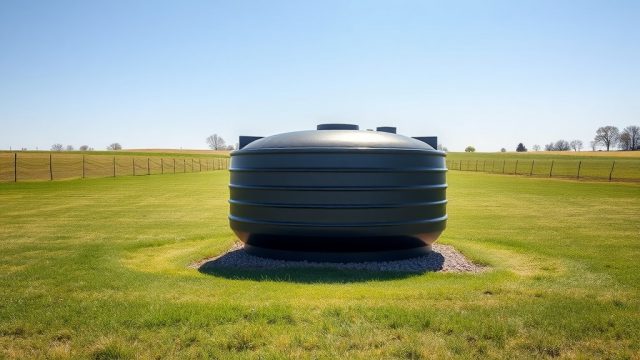
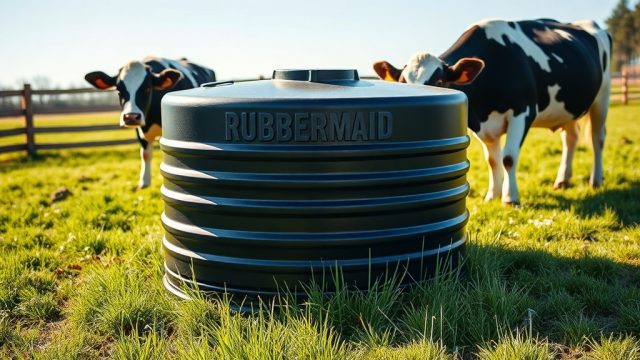
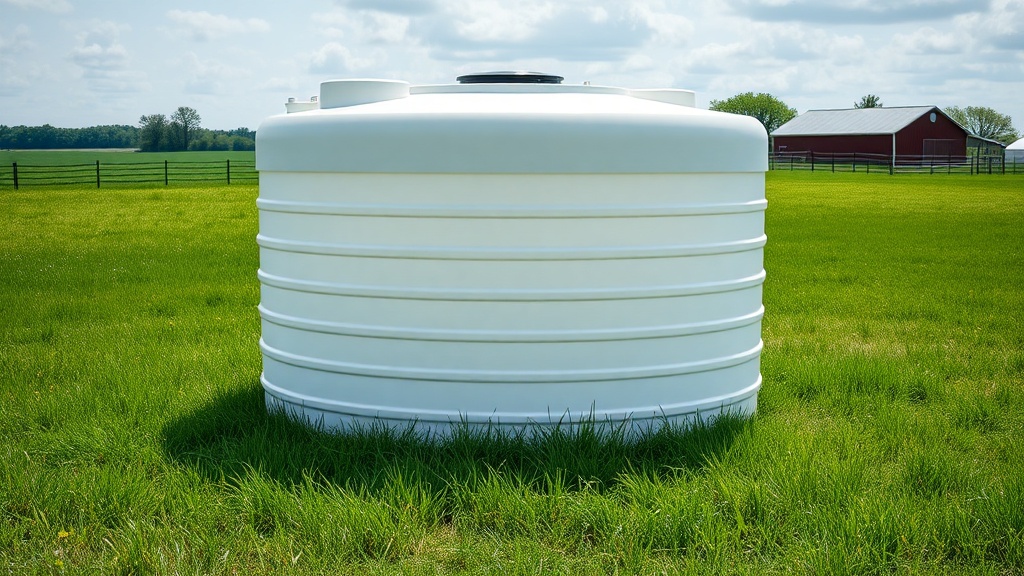
The Rubbermaid 100-Gallon Stock Tank has become a staple on farms and homesteads across the United Kingdom, prized for its durability, mobility, and low maintenance. Constructed from heavy-duty polyethylene, this tank resists rust, corrosion, and UV damage, making it suitable for both hot summers and freezing winters. However, achieving consistent year-round performance requires thoughtful planning—especially when it comes to seasonal extremes. This buying guide examines six essential questions to help you decide if this tank fits your operation, covering installation, insulation, and long-term value.
How Does the Rubbermaid 100-Gallon Stock Tank Handle Freezing Temperatures?
Winter presents the biggest challenge for any outdoor water container. The Rubbermaid 100-Gallon Stock Tank is made from UV-stabilised polyethylene, which does not crack as easily as some metals in sub-zero temperatures. However, the material alone cannot prevent ice formation. To maintain liquid water for livestock in cold climates, you will need to invest in additional measures such as tank heaters, floating de-icers, or insulation blankets. For detailed strategies, refer to our guide on Rubbermaid 100-Gallon Stock Tank Freeze Prevention: Effective Tips for Cold Climates. Even with these additions, the tank’s rounded design helps reduce stress points as ice expands, a clear advantage over cheaper rectangular options.
What Is the Seasonal Impact on Water Quality and Cleaning?
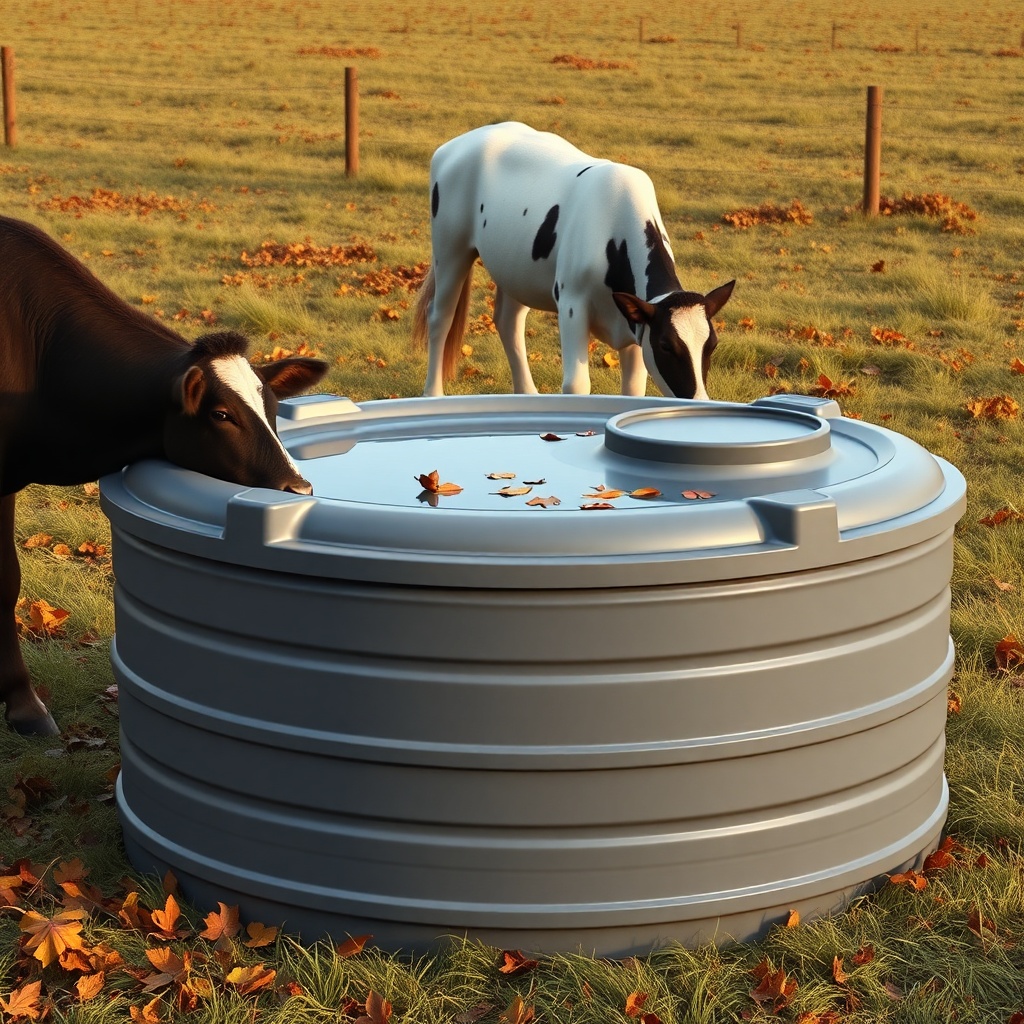
Warmer months promote algae growth and bacterial buildup, which can compromise livestock health if water is not refreshed regularly. The Rubbermaid 100-Gallon tank’s smooth interior surface makes scrubbing straightforward, but its dark colour can absorb more heat, accelerating algae blooms. Consider pairing your tank with a water quality kit—find options in our article Rubbermaid 100-Gallon Stock Tank Water Quality Kits: Essential for Livestock Health. During autumn, falling leaves and debris add to the workload; a floating cover or periodic skimming can save time.
How Does the Rubbermaid 100-Gallon Compare to Other Stock Tanks in Different Seasons?
To help you evaluate alternatives, below is a comparison table focusing on seasonal attributes.
| Feature | Rubbermaid 100-Gallon | Steel Galvanised Tank (100-Gallon) | Tuff Stuff 200-Gallon |
|---|---|---|---|
| Winter Freeze Resistance | Polyethylene expands; compatible with heaters | May rust if scratched; transfers cold quickly | Larger volume slows freezing |
| Summer Heat Absorption | Dark colour heats water; UV-stable | Reflective surface; may be cooler | Similar polyethylene but larger mass |
| Cleaning Frequency (Algae) | Monthly in summer; lower in winter | Requires rust inspection; algae moderate | Same as Rubbermaid but more volume |
| Durability in Frost Cycles | Good impact resistance; no cracking | Prone to rust and dents over time | Stronger, heavier plastic; less portable |
| Weight (Empty) | Approx. 18 kg | Approx. 25 kg | Approx. 38 kg |
| Typical Price (GBP) | £120–£150 | £90–£130 | £200–£250 |
If you are deciding between models, read the detailed analysis in Rubbermaid 100-Gallon vs. Tuff Stuff 200-Gallon Stock Tank: Which Is Right for You?. For those exploring other construction materials, see Beyond Polyethylene: Alternative Materials for Your Rubbermaid 100-Gallon Stock Tank.
How Portable Is the Rubbermaid 100-Gallon Stock Tank for Rotational Grazing?
Rotational grazing systems require moving water sources regularly. At approximately 18 kg empty, the Rubbermaid 100-Gallon is much lighter than steel or concrete alternatives. Its blow-moulded construction allows it to be dragged short distances without damage, though full weight when filled exceeds 400 kg. For seasonal movement, drain the tank first and use a hand truck or tractor lift. Our guide Moving Your Rubbermaid 100-Gallon Stock Tank: Portability Options and Tips provides practical advice for single-person handling. Some farmers install a shut-off valve at the drain for quick emptying, which speeds up the transition between paddocks during spring and autumn.
What Are the Best Installation Practices for Year-Round Use?
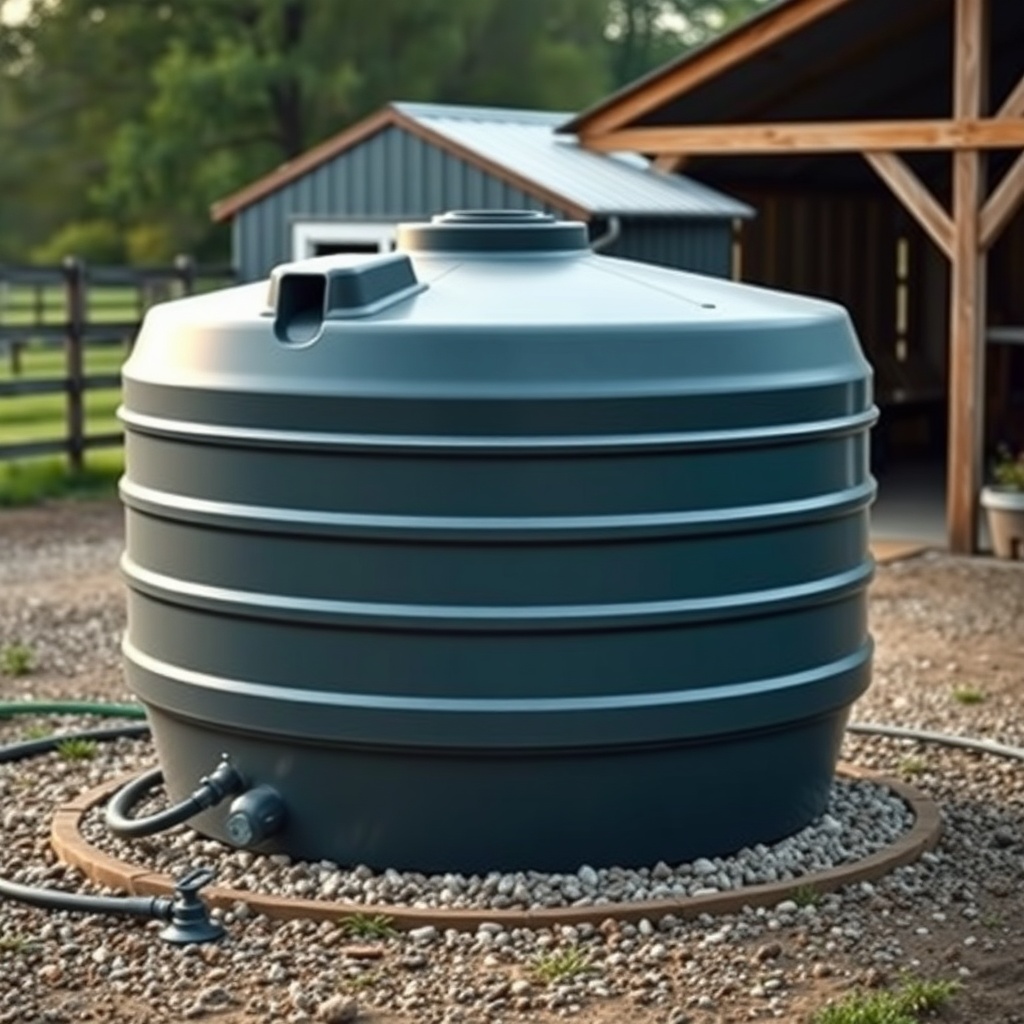
Placement matters more than you might think. During winter, position the tank near a windbreak or building to reduce heat loss. In summer, partial shade helps keep water temperature down, though be cautious of falling debris from trees. Choose a level area with good drainage to prevent mud from accumulating around the base. The Rubbermaid tank has moulded handles for easy positioning. For permanent setups, consider a gravel pad or concrete base that allows water to drain away. If you need to plumb the tank into your mains water system, use flexible connectors to accommodate ground movement during freeze-thaw cycles.
What Owners Say About the Rubbermaid 100-Gallon Stock Tank Across Seasons
Long-term users in the UK generally praise the tank’s longevity and ease of cleaning. One farmer in Yorkshire noted that after three winters, the tank showed no signs of cracking despite temperatures dropping to -10°C with an appropriate heater. Another owner in Devon reported that the dark colour caused warmer water in July, prompting them to add a simple shade cloth. A common complaint is the lack of a built-in drain plug; many owners retrofit a bulkhead fitting for easier emptying. Overall, the tank scores highly for value, especially when compared to metal options that require regular painting and rust treatment. The consensus is that careful seasonal preparation—rather than the tank itself—determines success.
Frequently Asked Questions
1. Can the Rubbermaid 100-gallon stock tank be used for winter watering?
Yes, but only if you use an electric tank heater or de-icer. The polyethylene material will not crack due to ice expansion, but water will freeze solid in prolonged cold without added heat.
2. Does the tank come with a drain fitting?
No, the Rubbermaid 100-gallon stock tank does not include a drain plug. Many owners install a bulkhead fitting with a ball valve for convenient drainage.
3. How long does the rubbermaid 100-gallon stock tank last?
With proper care and UV exposure, the tank typically lasts 10 to 15 years. Harsh sun and freezing conditions can reduce lifespan if not protected.
4. Is it safe for cattle to drink out of this tank?
Yes, the polyethylene is food-grade and non-toxic. Ensure the water is kept clean and free of algae, especially in summer.
5. Can I paint the tank to reduce heat absorption?
Painting is not recommended because the outer surface is designed for flexibility. Specialised heat-reflective wraps are available if the water temperature is a concern.
6. Where can I buy replacement parts for the tank?
Replacement lids and bulkhead fittings are available from agricultural supply retailers and online marketplaces. The manufacturer also sells parts directly.