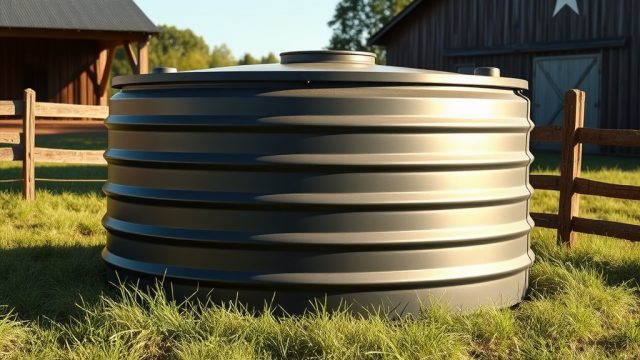
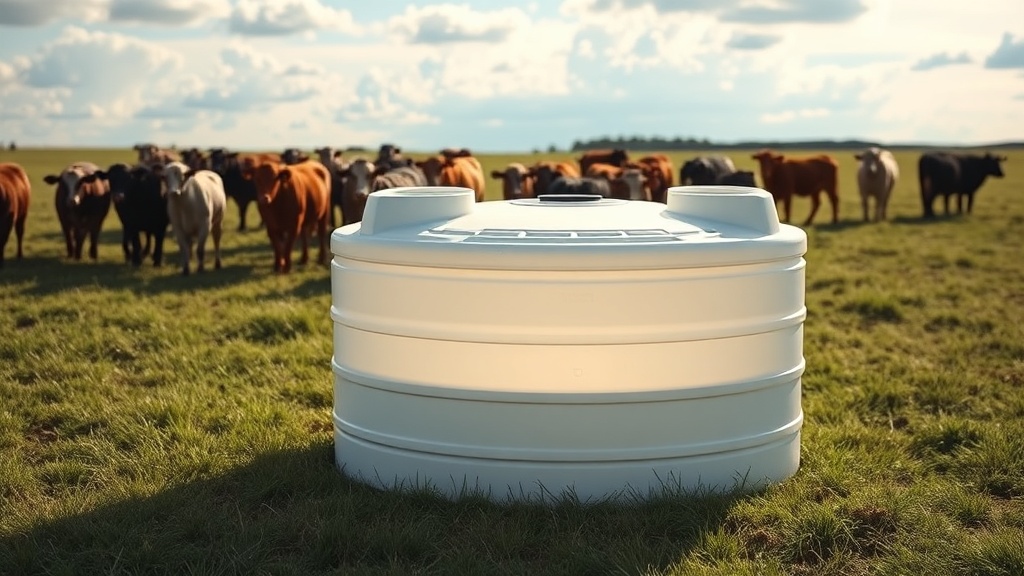
Introduction: Understanding the Material Choice for Your Rubbermaid 100-Gallon Stock Tank
When selecting a Rubbermaid 100-gallon stock tank, the material composition is as critical as the capacity itself. This tank is available in two primary formulations—polyethylene and polypropylene—each offering distinct advantages for livestock watering and farm storage. This article delivers a detailed comparison of these materials, covering durability, temperature resistance, UV stability, and cost-effectiveness, so you can make an informed decision for your operation.
What Are the Core Differences Between Polyethylene and Polypropylene in This Tank?
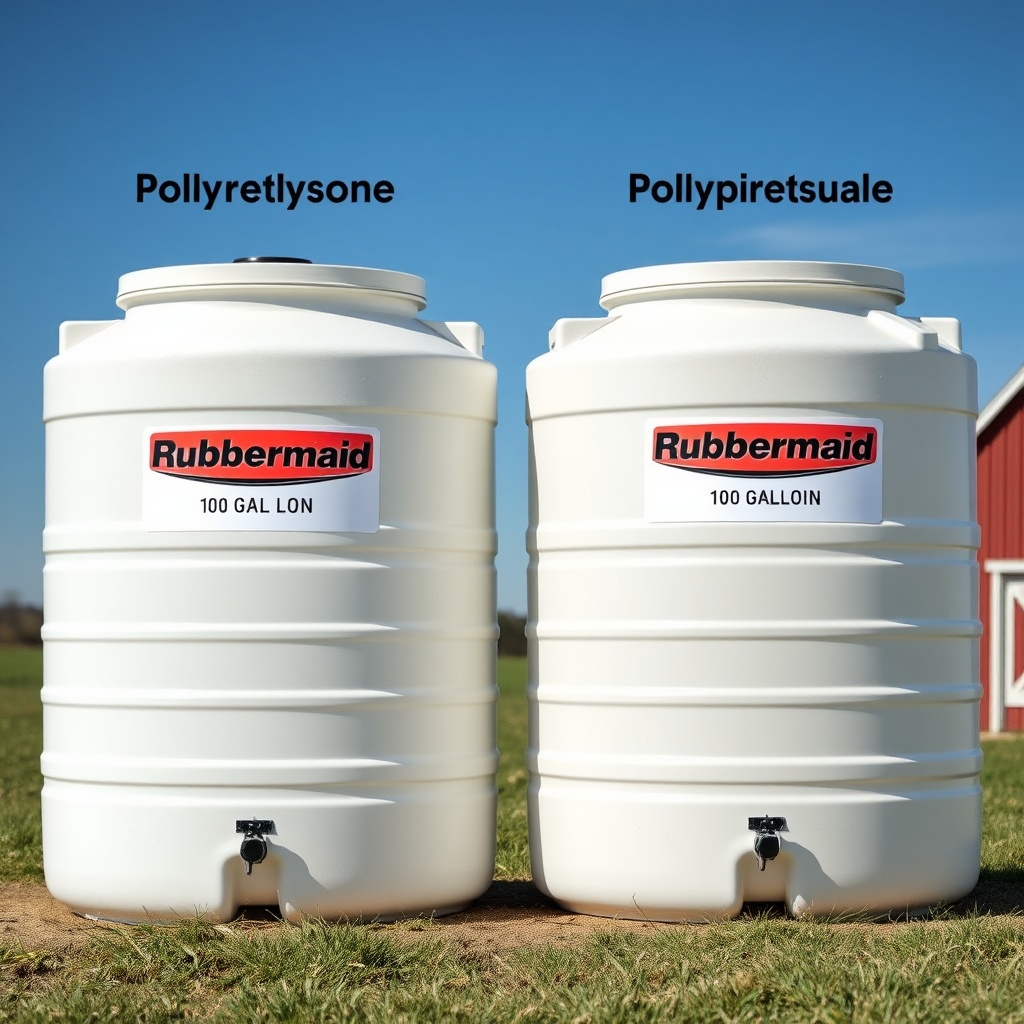
Both polyethylene and polypropylene are thermoplastic polymers, but their molecular structures yield different performance traits in the Rubbermaid 100-gallon stock tank. Polyethylene (PE) is known for its impact resistance and flexibility, making it less prone to cracking under heavy loads or blunt force. Polypropylene (PP), on the other hand, offers superior chemical resistance and a higher melting point, which can be beneficial in extreme heat or when using additives like water conditioners.
In the Rubbermaid 100-gallon model, the standard version uses high-density polyethylene (HDPE), while some specialty runs or commercial-grade units may incorporate polypropylene blends. The key distinction lies in the material’s reaction to sunlight and temperature swings. HDPE typically provides excellent UV resistance without special coatings, whereas PP may require added stabilizers to prevent degradation over extended sun exposure.
How Do Material Properties Affect Long-Term Durability and Weather Resistance?
Durability is a major concern for livestock owners, especially those in regions with harsh winters or intense summers. The Rubbermaid 100-gallon stock tank in HDPE boasts a flexural modulus that allows it to withstand freezing water expansions without cracking. Tests indicate that HDPE retains about 70–80% of its impact strength at -20°C, making it a reliable choice for northern climates. Polypropylene, while tougher at high temperatures (with a melting point around 160°C versus HDPE’s 130°C), becomes more brittle in sub-zero conditions and may crack if hit with a frozen object.
For UV stability, HDPE naturally contains carbon black or other stabilizers that block ultraviolet rays, preventing brittleness and fading over 10–15 years of outdoor use. Polypropylene requires additional additives, and even then, its long-term UV resistance is often rated lower than HDPE. If your stock tank sits in direct sunlight year-round, HDPE is generally the safer bet for a 100-gallon tank.
- Polyethylene (HDPE) strengths: Superior cold-weather impact resistance, excellent UV stability, lower cost.
- Polypropylene (PP) strengths: Higher temperature tolerance, better chemical resistance, smoother surface for cleaning.
What Is the Cost Comparison per Gallon for Each Material?
Price is a practical factor for most buyers. The Rubbermaid 100-gallon stock tank in standard HDPE typically retails at £95–£120 in the UK market (approximately $120–$150 USD). Polypropylene variants, if available, usually cost 20–30% more due to the material’s higher processing costs and enhanced chemical resistance, sometimes reaching £145–£170 per tank. However, bulk purchases from farm supply chains can lower these prices by 10–15%.
| Material | Typical Retail Price (GBP) | Price per Gallon (GBP) | UV Rating (Years) | Cold Impact Strength (Relative) |
|---|---|---|---|---|
| Polyethylene (HDPE) | £95–£120 | £0.95–£1.20 | 10–15 years | High |
| Polypropylene (PP) | £145–£170 | £1.45–£1.70 | 5–8 years | Moderate |
Considering that the Rubbermaid 100-gallon stock tank is a long-term investment, the lower initial cost of HDPE often makes it the preferred choice for most livestock operations. However, if you plan to use acidic or alkaline water treatments, the superior chemical resistance of polypropylene might justify the premium.
How Do These Materials Handle Water Quality and Algae Growth?
Water quality directly impacts livestock health, and material can influence how easily algae and bacteria take hold. Polyethylene surfaces are slightly more porous at the microscopic level, which can create crevices for biofilm if not cleaned regularly. Polypropylene, with its smoother, non-stick surface, resists organic buildup and is easier to scrub when using Rubbermaid 100-Gallon Stock Tank Water Quality Kits: Essential for Livestock Health. Both materials are FDA-grade for water contact, but PP’s inertness means fewer chemicals leach into the water, which is critical for sensitive livestock like dairy cows or young calves.
For algae prevention, the material’s opacity also matters. Both HDPE and PP in the Rubbermaid 100-gallon tank are heavily pigmented to block sunlight, but PP formulations sometimes incorporate translucent tints. Always verify that your chosen tank is opaque to prevent photosynthetic algae blooms. Regardless of material, regular maintenance with Rubbermaid 100-Gallon Stock Tank Hard Water Buildup: Effective Removal and Prevention Tips helps maintain water clarity.
What Do Owners Say About Material Performance in Real-World Use?
Farmers and ranchers who have used the Rubbermaid 100-gallon stock tank for more than five years consistently praise HDPE for its resilience. One cattle operation in the UK reported that their HDPE tank survived -15°C freezes without cracking, even when ice thickness reached 3 inches. Another sheep farmer noted that after eight years of constant outdoor exposure, the tank showed no significant fading or cracking, though minor surface scratches from hoof abrasion were visible.
Polypropylene users often comment on the ease of cleaning, especially when dealing with mineral deposits. A horse stable owner shared that switching to a PP version reduced their cleaning time by half because the surface released dirt and slime more readily. However, a dairy farmer in Scotland reported a PP tank developing stress cracks after a particularly cold snap, which required Rubbermaid 100-Gallon Stock Tank Buying Guide: Key Factors to Consider to ensure proper replacement. Overall, owners recommend HDPE for colder climates and PP for operations with high mineral content water or frequent sanitation needs.
Frequently Asked Questions
1. Is the Rubbermaid 100-gallon stock tank made from polyethylene or polypropylene?
The standard consumer-grade Rubbermaid 100-gallon stock tank is manufactured from high-density polyethylene (HDPE). Some commercial or specialty versions may use polypropylene, but these are less common and often require special ordering through farm supply retailers.
2. Can I use a polypropylene tank for drinking water for livestock?
Yes, polypropylene is FDA-approved for food and water contact, including livestock drinking water. It is inert and does not leach harmful chemicals, making it safe for all animals. However, always check for manufacturing defects or internal labels.
3. Which material is better for winter use in freezing temperatures?
High-density polyethylene (HDPE) is generally superior for winter use because it retains flexibility and impact strength down to -20°C. Polypropylene becomes brittle in cold weather and is more likely to crack from ice expansion or heavy snow loads. For additional winter protection, consider Rubbermaid 100-Gallon Stock Tank Buying Guide: Seasonal Considerations for Year-Round Use.
4. How do I clean algae off a polyethylene or polypropylene tank?
For both materials, a mild bleach solution (1 part bleach to 10 parts water) is effective. Use a soft-bristled brush to avoid scratching. Rinse thoroughly before refilling. Polypropylene’s smoother surface may require less scrubbing effort.
5. Will the material affect the taste of the water for livestock?
Both HDPE and PP are tasteless and odorless once the tank has been properly flushed after manufacturing. Some owners report a slight plastic smell initially, but this dissipates after three to five fillings. If your animals are sensitive, soak the tank for 24 hours with a baking soda solution before first use.
6. Can I install a solar heater on either material tank?
Yes, both materials are compatible with solar heaters, but installers should ensure the heater does not exceed the tank’s temperature limits. HDPE has a maximum continuous use temperature of around 60°C, while PP can handle up to 100°C. For safe installation, refer to Rubbermaid 100-Gallon Stock Tank Solar Heater Installation: Eco-Friendly Winterizing.